Top 10 Reasons Infection Prevention Is Critical in Hospitals

Time:2026-11-20 Author:Isabella
0%

Infection prevention is not a back-room protocol; it shapes what happens at every bedside. A hand touches a catheter hub, a tray crosses a room, and a patient with a weakened immune system faces added risk. So, why is infection prevention critical in medical settings? Because preventable infections can prolong stays, complicate treatment, and cost lives. The World Health Organization’s 2022 Global Report on Infection Prevention and Control estimates that, among hospitalized patients, about 7 in 100 in high-income countries and 15 in 100 in low- and middle-income countries acquire at least one healthcare-associated infection. The U.S. Centers for Disease Control and Prevention also reports that roughly 1 in 31 hospital patients has at least one healthcare-associated infection on any given day.

The stakes are clear, but improvement takes more than posters and policies. It depends on reliable hand hygiene, careful device use, clean environments, surveillance, and staff training. No checklist is magic. Workloads rise, supplies run short, and small lapses can be hard to spot. WHO Director-General Dr. Tedros Adhanom Ghebreyesus warned: “The COVID-19 pandemic has exposed many challenges and gaps in infection prevention and control (IPC) in all regions and countries, including those that were most advanced.” That reminder points to a practical truth: even strong hospitals need to keep checking their systems. The ten reasons below explain why infection prevention belongs at the center of safe care—and where consistent action can make a measurable difference.

Top 10 Reasons Infection Prevention Is Critical in Hospitals

How Infection Prevention Reduces Hospital-Acquired Infections

Hospital-acquired infections can develop when germs move between people, equipment, hands, or invasive devices. Their impact may include longer stays, extra treatment, and serious illness, especially for vulnerable patients. Prevention interrupts these pathways during ordinary care. A nurse cleans her hands before dressing a wound; a technician disinfects a monitor between patients. Small actions matter. Not glamorous.

Evidence-based routines include hand hygiene, appropriate protective equipment, careful cleaning and sterilization, and safe catheter care. Staff also use isolation precautions when needed and follow protocols for respiratory equipment and injections. These measures reduce exposure, but they cannot eliminate every infection. Hospitals can track infection patterns, review cases, and share timely feedback with clinical teams. Data helps only when staff can act on it.

Consistency can be difficult during busy shifts, when supplies run low or urgent care competes for attention. Training helps, but it is not enough by itself. Reliable prevention also needs accessible sinks, stocked disinfectant, clear responsibilities, and leaders who respond to concerns. A missed step can happen. Rather than hide it, teams can examine what made it easy to miss and improve the process without blame. No checklist catches every problem, and policies need regular review as patient needs change.

How It Protects High-Risk Patients and Healthcare Workers

A patient recovering from surgery may be especially vulnerable when an incision meets bacteria on hands, equipment, or nearby surfaces. Infection prevention reduces these everyday risks through hand hygiene, careful device care, and cleaning practices. Small actions matter. A missed hand-cleaning moment can expose a patient whose immune system is already under strain.

The World Health Organization’s 2022 global report estimates that 7 in 100 patients in high-income acute-care hospitals acquire at least one healthcare-associated infection; in low- and middle-income settings, the estimate is 15 in 100. The report also notes that about 1 in 10 affected patients dies. These figures describe broad patterns, not the risk for every individual. Still, they show why hospitals need reliable routines, not occasional reminders.

Healthcare workers need protection, too. Gloves, eye protection, safe injection practices, and prompt attention to exposure risks can reduce contact with infectious material. The U.S. Centers for Disease Control and Prevention reports that roughly 1 in 31 hospital patients has at least one healthcare-associated infection on any given day. That statistic is sobering. Yet written protocols alone do not guarantee safer care: crowded shifts, supply gaps, and rushed transitions can weaken good practice. Teams need practical training, accessible supplies, and a workplace where staff can report problems without blame.

Top 10 Reasons Infection Prevention Is Critical in Hospitals

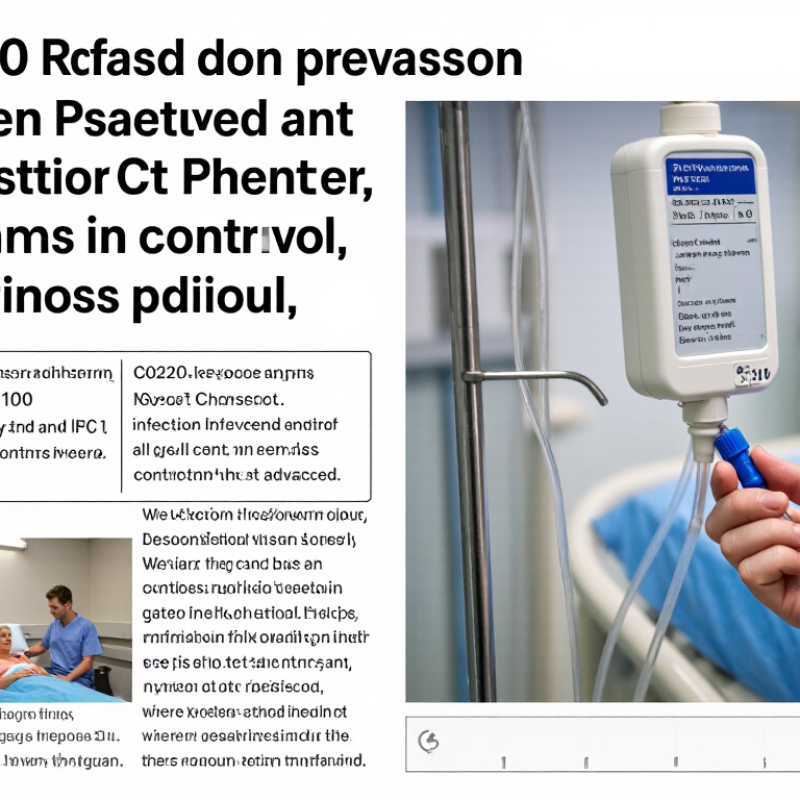
Healthcare-associated infections affect high-risk patients and can also expose healthcare workers.

In a 2015 U.S. hospital survey, pneumonia and surgical-site infections each accounted for 21.8% of healthcare-associated infections. Consistent hand hygiene, safe procedures, and appropriate device care help reduce infection risks for patients and healthcare workers.

Source: Magill et al., “Changes in Prevalence of Health Care–Associated Infections in U.S. Hospitals,” New England Journal of Medicine, 2018. Estimates describe infection distribution in U.S. acute-care hospitals in 2015.

How It Prevents Complications and Antimicrobial Resistance

A preventable infection can turn a routine hospital stay into a longer, more difficult recovery. A surgical wound may become red and tender, or a urinary catheter may provide bacteria with a route into the body. Careful hand hygiene, clean equipment, and timely removal of unnecessary devices help reduce these risks. Small steps matter.

Preventing infections can also reduce avoidable antibiotic treatment. Antibiotics are essential when clinically needed, but unnecessary or poorly targeted use adds selection pressure that favors resistant microbes. Infection prevention works best alongside diagnostic testing and responsible prescribing; neither approach is enough on its own. A clean room does not replace sound clinical judgment.

Consistency is difficult. Staff may face crowded wards, urgent admissions, or unclear handoffs, and even established routines can slip. That gap matters. Hospitals need practical procedures, regular training, and reliable tracking of infection patterns so teams can identify problems early and adjust care. Not every infection can be prevented, and prevention measures must fit the patient and situation. Reviewing what failed, without hiding uncomfortable findings, is part of safer care.

How It Improves Patient Outcomes and Shortens Hospital Stays

Infection prevention can change the course of an ordinary hospital day. Clean hands before wound care, a dry dressing, and properly cleaned equipment all reduce opportunities for germs to spread. Daily checks can also help staff remove catheters and IV lines when they are no longer needed. Small steps matter. Preventing an infection may spare a patient extra pain, fever, and additional treatment.

When patients avoid hospital-acquired infections, they are less likely to need longer courses of antibiotics or further procedures. Their recovery may stay on track, with fewer interruptions to eating, walking, and sleeping. A patient recovering from surgery, for example, may be able to begin moving sooner if a wound remains free of infection. Shorter stays are not guaranteed, but avoiding complications can make discharge safer and more timely.

Reliable prevention depends on consistent teamwork, not a checklist alone. Staff need clear procedures, appropriate supplies, and time to follow them; patients and families can also ask about hand hygiene or wound care. Protocols are not magic. Even careful teams can miss a step during a crowded shift, so reviewing infection data and learning from near misses matters. The work is repetitive, sometimes imperfect, and worth doing.

How It Supports Safe, Reliable, and Cost-Effective Hospital Care

Infection prevention supports safer care and steadier hospital operations. A prevented infection can mean fewer additional treatments, less time in isolation, and fewer disrupted beds. The CDC estimated that about 1 in 31 U.S. hospital patients had at least one healthcare-associated infection on any given day, based on 2015 data. That is not abstract. The World Health Organization’s 2022 report estimated that 7 in 100 patients in high-income countries, and 15 in 100 in low- and middle-income countries, acquire at least one infection during acute-care hospitalization. These figures show why prevention belongs in everyday care, not only during outbreaks.

At the bedside, clean hands, properly reprocessed equipment, and clear isolation instructions reduce opportunities for germs to spread. Reliable routines can also protect staff capacity and help avoid costs linked to prolonged treatment. A CDC-supported 2009 economic review estimated U.S. direct medical costs from healthcare-associated infections at $28.4 billion to $45 billion annually; the estimate is older, but it signals the scale of preventable burden. No checklist removes every risk. During a crowded shift, a missed hand-hygiene moment or unclear handoff can still matter. Hospitals need practical audits, timely feedback, and enough staffing to make safe routines achievable—not just written policy.

Top 10 Reasons Infection Prevention Is Critical in Hospitals - How It Supports Safe, Reliable, and Cost-Effective Hospital Care

No. Reason How Infection Prevention Supports Care Relevant Hospital Measures
1 Reduces healthcare-associated infections Consistent hand hygiene, environmental cleaning, and evidence-based care practices help reduce the spread of infections acquired during healthcare. Healthcare-associated infection rates; hand hygiene compliance; environmental cleaning audits
2 Protects patients with greater vulnerability Newborns, older adults, people with weakened immune systems, and patients undergoing intensive treatment may face greater risks from infection. Prevention practices help reduce avoidable exposure. Infections by patient group; isolation and precaution practices; vaccination coverage where applicable
3 Prevents device-associated infections Safe insertion, maintenance, and timely removal of devices such as central lines and urinary catheters can reduce opportunities for infection. Central line-associated bloodstream infections; catheter-associated urinary tract infections; device utilization
4 Supports safer surgery Appropriate skin preparation, sterile technique, antimicrobial prophylaxis when indicated, and postoperative wound care help prevent surgical site infections. Surgical site infection rates; adherence to perioperative prevention practices
5 Limits antimicrobial resistance Preventing infections reduces the need for some antimicrobial treatments. Infection prevention combined with antimicrobial stewardship helps preserve the effectiveness of these medicines. Antimicrobial use and review practices; resistant-organism trends; stewardship interventions
6 Reduces avoidable complications and delays An infection can complicate treatment and may require additional evaluation or care. Effective prevention supports smoother recovery and more predictable care pathways. Complication rates; treatment delays related to infection; readmissions associated with infection
7 Helps control outbreaks Surveillance, prompt recognition, testing, isolation, and clear communication help hospitals identify and contain infectious disease transmission. Time from detection to response; linked cases identified; adherence to transmission-based precautions
8 Protects healthcare personnel Training, appropriate protective equipment, exposure procedures, and vaccination programs help reduce occupational exposure and support a safer workplace. Staff exposure incidents; occupational infection trends; training and vaccination records
9 Supports responsible use of hospital resources Avoiding preventable infections can reduce the need for additional treatment, diagnostic testing, and infection-control interventions, helping limit avoidable resource use. Infection-related treatment and supply use; avoidable bed-days; prevention program costs
10 Builds trust and reliable care Visible, consistent infection prevention practices reassure patients and families and help teams deliver safer care across departments and shifts. Patient feedback; policy adherence; audit findings and corrective-action follow-up

Note: The measures listed are examples for hospital monitoring. Results depend on patient population, clinical practices, and local measurement methods.

FAQS

How do hospital-acquired infections spread?

Germs can move between people, hands, equipment, and invasive devices. Even a shared monitor can become part of the pathway.

Which daily practices help prevent infections?

Staff clean their hands, use protective equipment, and disinfect or sterilize equipment properly. Small actions matter.

How does safe catheter care help?

Careful catheter practices can reduce infection risks linked to invasive devices. The details matter.

Do prevention routines eliminate every infection?

No. They reduce exposure, but they cannot remove every risk. That limitation deserves attention.

What can hospitals do when infection patterns change?

Teams can track cases, review patterns, and share timely feedback. Data helps only when staff can act on it.

Why can prevention be difficult during busy shifts?

Urgent care, low supplies, or unclear responsibilities can disrupt routines. A missed step may reflect a process problem, not just an individual mistake.

What support helps staff follow safe routines?

Accessible sinks, stocked disinfectant, clear duties, and responsive leaders make prevention more practical. Training alone is not enough.

How common are these infections?

One estimate based on 2015 data found about one in 31 U.S. hospital patients had at least one healthcare-associated infection on a given day. Another 2022 report estimated seven in 100 patients in high-income countries and 15 in 100 in low- and middle-income countries acquired at least one infection during acute-care hospitalization.

Can infection prevention reduce hospital costs?

Preventing an infection may mean fewer treatments, shorter isolation, and less disruption to beds. An older 2009 estimate placed annual U.S. direct medical costs between $28.4 billion and $45 billion. The estimate is dated, but the burden remains worth examining.

Conclusion

Infection prevention is essential to reducing hospital-acquired infections and creating a safer environment for everyone in a hospital. Consistent hygiene, careful handling of equipment, and clear safety procedures help limit the spread of harmful germs. These measures are especially important for patients with weakened immune systems or other health risks, as well as for the healthcare workers who care for them. Understanding why is infection prevention critical in medical settings helps hospitals make safety a routine part of every stage of care.

Preventing infections can also reduce complications and the need for additional treatment, while supporting responsible use of antimicrobials and helping slow the development of resistance. When patients avoid preventable infections, they are more likely to recover smoothly, experience shorter hospital stays, and need fewer costly interventions. Strong prevention practices therefore contribute to better patient outcomes and support hospital care that is safer, more reliable, and more cost-effective.

Isabella

Isabella

Isabella is a dedicated marketing professional with a sharp focus on driving brand growth and engagement through strategic content creation. With an extensive background in digital marketing, she combines her passion for storytelling with her keen understanding of industry trends to deliver......