As supply chains become more connected, hygiene protection is becoming a core operational requirement. The question “which industries require high level hygiene protection” now extends beyond hospitals and laboratories. Food processing plants, pharmaceutical facilities, medical device manufacturers, biotechnology companies, and cleanroom electronics sites all face serious contamination risks. Even small particles, skin flakes, or poorly cleaned tools can affect product safety and performance.
High-level hygiene protection combines controlled environments, validated cleaning procedures, personal protective equipment, employee training, and regular monitoring. In a food facility, this may involve separated production zones, sanitized conveyor belts, and strict handwashing checks. In a pharmaceutical cleanroom, air filtration, garment protocols, surface testing, and documented access controls become essential. These practices should follow risk assessments, scientific evidence, and recognized quality frameworks. Experienced hygiene managers also review results instead of trusting procedures blindly.
No system is perfect. That gap matters. Equipment design, rushed shifts, weak training, or unclear responsibilities can undermine an otherwise strong program. Reliable organizations therefore use audits, environmental sampling, incident reviews, and corrective actions to improve daily performance. They also consider staff behavior, because written procedures cannot protect a facility when employees do not understand their purpose. This 2026 overview examines the industries facing the greatest hygiene demands and explains how practical controls support workers, customers, products, and public confidence. The recommendations are informative, not a substitute for site-specific professional assessment or applicable safety requirements.
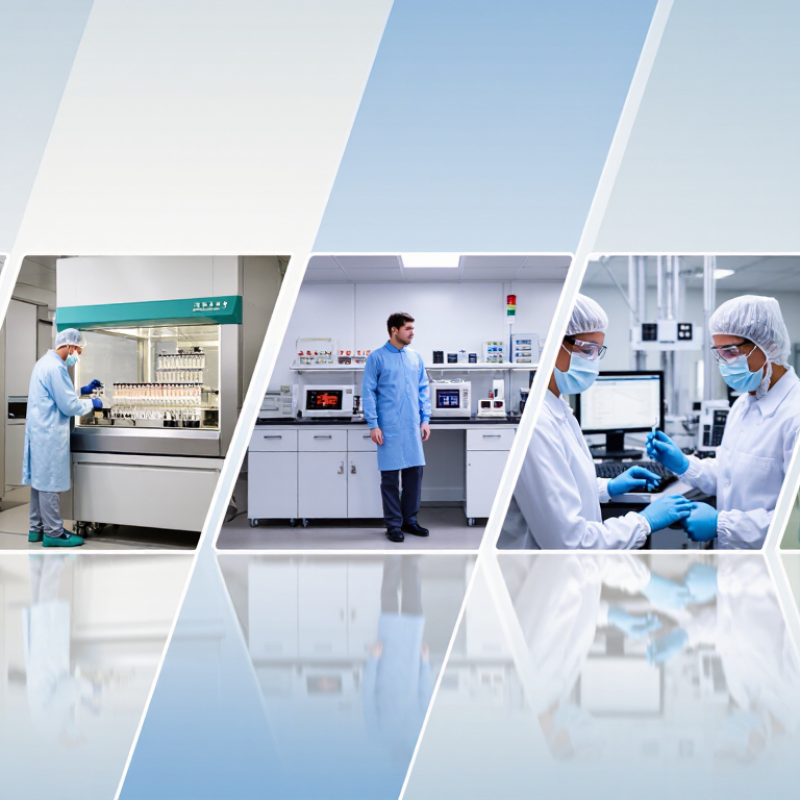
Healthcare and clinical services require high-level hygiene protection because every surface can connect patients, staff, and visitors. The World Health Organization’s 2022 Global Report on Infection Prevention and Control estimates that seven in 100 patients acquire healthcare-associated infections in high-income countries. The figure rises to 15 in 100 in low- and middle-income countries. These numbers make hygiene a patient-safety duty, not a cosmetic task. A bedside rail, infusion pump, or door handle may receive repeated contact during one shift. Small gaps matter.
The Centers for Disease Control and Prevention reports that about one in 31 hospital patients has at least one healthcare-associated infection on any given day. Strong programs combine hand hygiene, surface disinfection, personal protective equipment, ventilation, waste handling, and isolation procedures. Supplies must sit near the point of care. Contact times should appear clearly on cleaning instructions. Audits should observe real practice, not only completed forms. Human error remains.
A rushed patient transfer can defeat a perfect checklist. Clinical leaders should track hand-hygiene compliance, cleaning completion, infection rates, and staff exposure incidents. WHO’s report also emphasizes trained personnel, reliable water services, and functioning infection-prevention programs. Yet a clean-looking room can still contain overlooked high-touch points. Staff need practical drills, visible feedback, and permission to question unsafe routines. Sometimes the smallest pause protects the most vulnerable patient.
| Hygiene Protection Dimension | Evidence-Based Requirement or Benchmark | Healthcare Application | Primary Risk Controlled | Reference |
|---|---|---|---|---|
| Hand Hygiene | Healthcare workers should perform hand hygiene at the five key moments: before touching a patient, before a clean or aseptic procedure, after body-fluid exposure risk, after touching a patient, and after touching the patient’s surroundings. | Install accessible hand-rub or hand-washing facilities at points of care and monitor compliance through routine observation. | Healthcare-associated infections and cross-transmission between patients, staff, and surfaces. | World Health Organization, “My 5 Moments for Hand Hygiene.” |
| Alcohol-Based Hand Rub | Alcohol-based hand rub is generally preferred for routine hand antisepsis when hands are not visibly dirty; products should normally contain 60%–95% alcohol. | Use at bedside, in treatment rooms, at clinical entrances, and in high-traffic care areas. | Rapid transfer of microorganisms during routine patient care. | U.S. Centers for Disease Control and Prevention, Hand Hygiene in Healthcare Settings. |
| Soap-and-Water Washing | Hands should be washed with soap and water when they are visibly soiled, before eating, after using the restroom, and during care involving certain spore-forming pathogens when specifically indicated by infection-control guidance. | Provide sinks with running water, liquid soap, and disposable drying materials in clinical and sanitary areas. | Persistent contamination, visible soil, and pathogens that may not be reliably removed by alcohol alone. | U.S. Centers for Disease Control and Prevention, Hand Hygiene Guidance. |
| Environmental Cleaning | Cleaning and disinfection should follow a risk-based schedule, with more frequent attention to high-touch surfaces and areas occupied by patients with known or suspected infections. | Prioritize bed rails, door handles, call buttons, light switches, examination tables, faucets, and shared medical equipment. | Surface-mediated transmission and contamination of patient-care environments. | World Health Organization, “Cleaning and Disinfection of Environmental Surfaces.” |
| Medical Equipment Reprocessing | Reusable equipment must be cleaned and reprocessed according to its intended use and the level of patient-contact risk before being used on another patient. | Separate clean and contaminated workflows and document sterilization or high-level disinfection cycles where required. | Transmission through contaminated instruments and reusable devices. | Spaulding classification principles; CDC infection-control guidance. |
| Personal Protective Equipment | Selection of gloves, gowns, masks, eye protection, or respirators should be based on anticipated exposure to infectious materials and the route of transmission. | Use task-specific PPE for procedures involving splash, spray, droplets, aerosols, or contact with non-intact skin. | Exposure of staff and patients to blood, body fluids, respiratory droplets, and airborne particles. | Occupational Safety and Health Administration; CDC Standard Precautions. |
| Respiratory Hygiene | Healthcare facilities should provide tissues, no-touch waste containers, hand-hygiene supplies, and masking options at entrances and reception areas during periods of respiratory illness. | Screen symptomatic visitors and patients, provide separation where feasible, and display respiratory-etiquette instructions. | Respiratory spread in waiting rooms, triage areas, and shared clinical spaces. | CDC Respiratory Hygiene and Cough Etiquette recommendations. |
| Airborne Infection Controls | Airborne infection isolation rooms are designed to maintain negative pressure relative to adjacent areas and use appropriate air-exchange and exhaust arrangements. | Use engineering controls, fit-tested respirators where indicated, and controlled patient movement for airborne-risk cases. | Transmission of pathogens carried in airborne particles. | CDC Guidelines for Environmental Infection Control in Health-Care Facilities. |
| Laundry and Linen Handling | Used textiles should be handled, contained, transported, and laundered in a manner that prevents contamination of people and clean materials. | Use leak-resistant bags when needed, avoid shaking soiled linen, and maintain separate clean and dirty storage areas. | Exposure to infectious material and recontamination of clean textiles. | CDC Guidelines for Environmental Infection Control in Health-Care Facilities. |
| Waste Management | Healthcare waste should be segregated at the point of generation, contained safely, and handled according to applicable local regulations and risk classifications. | Use labeled, suitable containers for sharps, infectious materials, pharmaceutical waste, and general waste. | Needlestick injuries, exposure to hazardous substances, and environmental contamination. | World Health Organization, Health-Care Waste Management guidance. |
| Staff Training and Auditing | Infection-prevention procedures should be supported by initial training, refresher education, competency checks, and routine performance monitoring. | Track hand-hygiene adherence, cleaning completion, PPE competency, incident reports, and corrective actions. | Inconsistent practice, procedural failures, and preventable outbreaks. | World Health Organization and CDC infection-prevention frameworks. |
Note: Requirements may vary by jurisdiction, facility type, patient population, and infection-control risk assessment. Always follow applicable national and local regulations.
Patients, staff, and visitors touch the same surfaces. Bed rails and door handles can spread contamination quickly. Small gaps matter.
Programs should combine hand hygiene, surface disinfection, protective equipment, ventilation, waste handling, and isolation procedures. Supplies should remain near patient-care areas.
Instructions should show clear contact times and practical steps. A rushed transfer can still defeat a perfect checklist.
They should track hand-hygiene compliance, cleaning completion, infection rates, and staff exposure incidents. Audits must observe real practice.
High-touch points may remain overlooked, including infusion pumps and rails. Visual cleanliness is not proof of effective disinfection.
Microscopic particles can damage sensitive components or cause testing failures. A loose fibre may remain unnoticed for hours.
Facilities need controlled gowning, separated material routes, particle monitoring, validated cleaning agents, and documented hand hygiene. Layered controls work better.
Maintenance teams must move quickly without weakening contamination controls. Entry logs and cleaning records should be reviewed afterward. No protocol is perfect.
In 2026, which industries require high level hygiene protection? Healthcare and clinical services remain among the most critical, as hospitals, laboratories, and treatment facilities must protect patients, staff, and sensitive equipment from contamination. Pharmaceutical and biotechnology manufacturing also depends on tightly controlled environments to safeguard research, production processes, and product integrity. In food, beverage, and nutraceutical production, strict hygiene practices help prevent contamination and maintain consumer safety throughout processing, packaging, and storage.
Semiconductor and electronics manufacturing require ultra-clean environments because microscopic particles can affect precision components and production quality. Aerospace, defense, and precision engineering facilities also follow demanding hygiene and contamination-control procedures to protect high-sensitivity materials, instruments, and systems. Across these industries, advanced cleaning protocols, controlled airflow, protective workwear, and disciplined monitoring help reduce risks, improve reliability, and support consistent performance. As manufacturing and healthcare standards continue to rise, high-level hygiene protection is becoming an essential operational priority rather than an optional measure.

 Ultrivex Medical