Why You Should Choose the Right Protective Clothing for Healthcare?

Time:2026-04-01 Author:Isabella
0%

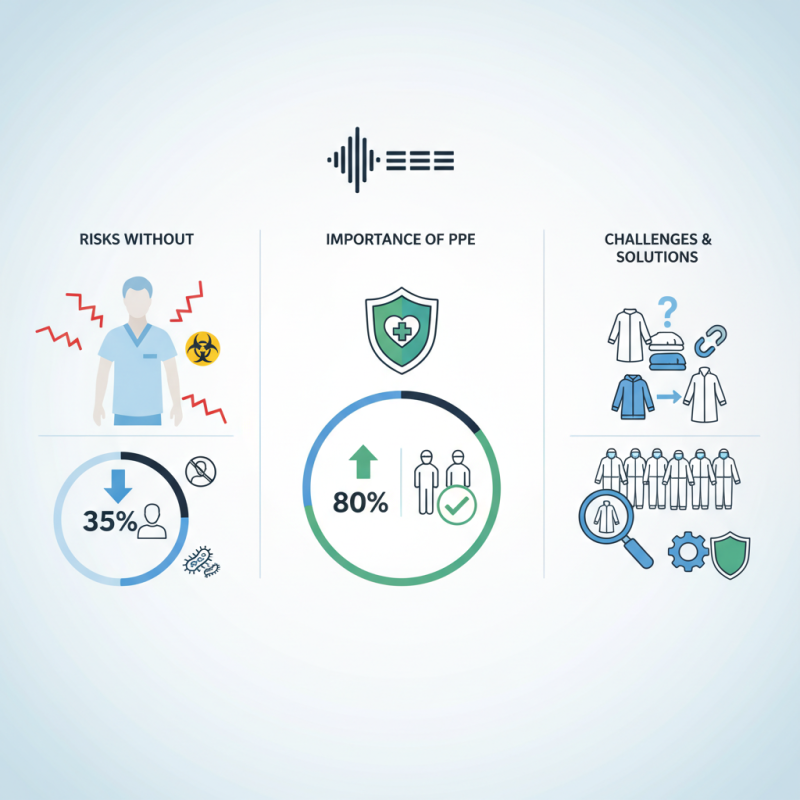
In the healthcare sector, choosing the right protective clothing is crucial. A report by the World Health Organization indicates that healthcare workers face significant risks without proper protective equipment. Nearly 35% of healthcare workers report exposure to infectious diseases. This underscores the importance of understanding how to choose the right protective clothing for healthcare.

Selecting appropriate protective gear is more than just compliance. It is about ensuring safety and reducing exposure to hazards. According to the Centers for Disease Control and Prevention, appropriate use of personal protective equipment can lower the risk of infection transmission by up to 80%. Yet, many professionals still struggle with this choice.

Common challenges arise from varied environments and specific needs. Not all protective clothing meets industry standards, leading to potential vulnerabilities. Some gear may restrict movement or fail to provide adequate protection. Healthcare organizations must evaluate options carefully. Inadequate selections can lead to serious consequences, affecting both workers and patients.
Why You Should Choose the Right Protective Clothing for Healthcare?

Importance of Protective Clothing in Healthcare Settings

In healthcare settings, the importance of protective clothing cannot be overstated. These garments are critical for preventing the transmission of infectious diseases. According to the World Health Organization, approximately 1.4 million healthcare-associated infections occur each day globally. Protective clothing plays a key role in minimizing this risk.

Healthcare workers are exposed to various pathogens daily. Infections can be transmitted through blood, bodily fluids, or even contaminated surfaces. A study published in the Journal of Hospital Infection reveals that proper use of personal protective equipment (PPE) reduces infection rates by up to 25%. Correctly chosen attire shields staff and patients alike from potential harm.

However, the challenge lies in ensuring that the protective clothing is both functional and comfortable. Many workers report discomfort due to bulkiness or poor fit, which can lead to non-compliance. It is essential to balance safety with practicality. Training and awareness must also be prioritized. Regular evaluations of protective clothing effectiveness can help improve compliance and safety in healthcare environments.

Types of Protective Clothing Used in Healthcare

In healthcare, choosing the right protective clothing is crucial. It can significantly reduce the risk of infection and injury. Various types of protective clothing serve different purposes. Here are some common types used in medical settings.

Gowns are essential for preventing contamination. Disposable gowns are often worn during procedures. They help maintain a sterile environment. Surgical masks protect against airborne pathogens. They filter exhaled air, crucial during surgeries or when treating contagious patients. Face shields provide additional protection, covering the eyes and face from splashes.

Tips: Always choose gowns based on the level of exposure you anticipate. Consult with infection control professionals to select suitable masks.

Gloves are another vital piece. They prevent direct contact with bodily fluids. Different procedures require different types of gloves. Nitrile gloves are popular because they resist punctures. However, some practitioners may prefer latex or vinyl based on personal allergies.

Tips: Change gloves between patients to avoid cross-contamination. Ensure proper glove fit for dexterity and comfort.

Lastly, protective footwear and caps enhance safety and hygiene. Shoes with non-slip soles help prevent accidents. Surgical caps keep hair contained, minimizing contamination risk. All these choices reflect a commitment to safety.

Tips: Regularly inspect footwear for wear and tear. This small detail can prevent serious slip hazards in a busy environment.

Key Features to Look for in Healthcare Protective Gear

Selecting the right protective clothing for healthcare workers is essential. Health professionals face numerous risks daily. Proper protective gear minimizes exposure to infectious agents, chemicals, and other hazards. Key features to consider include material type, fit, and breathability.

The material should be durable yet comfortable. Many materials offer varying levels of resistance to fluids and pathogens. An effective protective outfit must safeguard against these risks without restricting movement. Breathable fabrics help maintain comfort during long shifts. The fit is equally important; equipment that is too loose or tight can be ineffective.

Consider also the ease of donning and doffing. Quick changes can be necessary in emergencies. Look for designs that facilitate fast removal to reduce contamination risks. Regular inspections of protective gear are crucial. Worn-out clothing may compromise safety, leading to potential hazards. This focus on detail ensures that healthcare workers stay safe while providing essential services.

Why You Should Choose the Right Protective Clothing for Healthcare? - Key Features to Look for in Healthcare Protective Gear

Feature Description Importance
Material The fabric should be fluid-resistant and durable to provide adequate protection. Prevents exposure to harmful substances and maintains hygiene.
Fit Clothing should be well-fitted to ensure freedom of movement while providing coverage. Ensures comfort for long hours of wear during healthcare duties.
Breathability Fabric should allow air circulation to prevent overheating. Enhances comfort and reduces fatigue during extended use.
Water Resistance Protective gear should resist liquid penetration to safeguard health workers. Critical for maintaining hygiene and preventing infections.
Ease of Donning Clothing should be easy to put on and take off, especially under pressure. Saves time and ensures proper adherence to protocols.

Risks of Inadequate Protective Apparel in the Medical Field

In the medical field, inadequate protective apparel can lead to serious risks. Healthcare workers face exposure to various pathogens daily. Without proper clothing, they are vulnerable to infections. For example, wearing a simple lab coat may seem sufficient, but it often lacks protective features. This can result in cross-contamination during patient care.

Moreover, materials used in some clothing are not suitable for heavy-duty situations. In emergencies, these garments can tear easily, leaving workers exposed. Imagine a healthcare worker trying to perform a procedure while worrying about their attire. It distracts them from patient care. Furthermore, some fabrics fail to provide adequate fluid resistance, increasing infection risks.

Reflecting on these issues is vital. Many healthcare facilities prioritize budget over safety, which poses dangers. Rethinking protective clothing choices can save lives. It's crucial for organizations to invest in proper gear. Ultimately, healthcare professionals deserve clothing that ensures their safety and enhances their focus on patient care.

Regulatory Standards and Guidelines for Healthcare Protective Clothing

In the healthcare sector, protective clothing is not just a choice; it’s a necessity. Regulatory standards, such as those outlined by the Centers for Disease Control and Prevention (CDC), highlight the importance of appropriate gear. The guidelines specify that healthcare providers should wear gowns, masks, and gloves to minimize exposure to pathogens. A study published in the American Journal of Infection Control states that proper use of personal protective equipment (PPE) reduces infection rates by up to 70%.

Compliance with regulatory standards is essential for patient and provider safety. The Occupational Safety and Health Administration (OSHA) provides comprehensive guidelines for PPE usage. According to OSHA, nearly 4,000 healthcare workers fall victim to non-fatal injuries each year due to inadequate protective measures. This alarming statistic emphasizes the need for strict adherence to guidelines governing protective clothing.

Despite the existing regulations, there are still gaps in implementation. Many healthcare facilities struggle with consistent training on the proper usage of protective clothing. A report from the World Health Organization (WHO) noted that 60% of healthcare workers in some regions did not receive adequate training. This raises critical questions about preparedness and safety culture in healthcare environments. Addressing these issues is crucial for improving adherence to established guidelines.

Importance of Protective Clothing Standards in Healthcare

FAQS

: Why is protective clothing important for healthcare workers?

: Protective clothing minimizes exposure to infectious agents and chemicals. It helps keep healthcare workers safe from daily risks.

What should I consider when selecting protective gear?

Focus on material type, fit, and breathability. These factors affect comfort and effectiveness during long shifts.

How does the material of protective clothing impact safety?

Durable materials resist fluids and pathogens. Comfortable fabrics allow for movement, which is crucial in emergencies.

What are the regulatory standards for healthcare protective clothing?

Regulatory standards emphasize the necessity of gowns, masks, and gloves. Compliance ensures safety for both patients and workers.

How often should protective gear be inspected?

Regular inspections are vital. Worn-out clothing can compromise safety and put healthcare workers at risk.

What are common issues with protective clothing implementation?

Many facilities lack consistent training. Inadequate preparation can lead to increased risks for healthcare workers.

How can training impact the usage of protective gear?

Proper training is essential. Without it, many healthcare workers may not use protective clothing correctly, leading to hazards.

What is the impact of proper PPE usage on infection rates?

Proper PPE can reduce infection rates by up to 70%. This highlights its importance in healthcare settings.

Are there any gaps in compliance with PPE guidelines?

Yes, many healthcare workers lack sufficient training. This raises concerns about safety culture in healthcare environments.

How can healthcare facilities improve protective clothing adherence?

Facilities need to focus on training and regular updates on guidelines. This will help ensure safer practices among workers.

Conclusion

Choosing the right protective clothing for healthcare is crucial to ensuring the safety and well-being of healthcare workers and patients alike. Protective clothing serves as a barrier against infections, contaminants, and hazardous substances, making it essential in various healthcare settings. Different types of protective gear, such as gowns, gloves, masks, and face shields, are designed to meet specific needs based on the level of exposure risk. When selecting protective apparel, one should look for key features like durability, comfort, and compliance with regulatory standards to ensure optimal protection.

Inadequate protective apparel poses significant risks, including increased chances of contamination and transmission of diseases. Therefore, understanding how to choose the right protective clothing for healthcare includes recognizing these risks and adhering to the established guidelines and standards in the medical field. Properly selected protective gear not only safeguards healthcare professionals but also contributes to overall public health safety.

Isabella

Isabella

Isabella is a dedicated marketing professional with a sharp focus on driving brand growth and engagement through strategic content creation. With an extensive background in digital marketing, she combines her passion for storytelling with her keen understanding of industry trends to deliver......