How to Maintain Hygiene in Medical Environments Effectively?

Time:2026-05-01 Author:Oliver
0%

In today's healthcare landscape, understanding how to maintain hygiene in medical environments is crucial. Every hospital and clinic faces challenges that affect infection control. These challenges include high foot traffic and the presence of various pathogens. Proper hygiene practices can minimize these risks significantly.

Medical staff must adhere to established guidelines. Regular handwashing and disinfecting surfaces are fundamental. However, many medical environments struggle to implement these practices consistently. Limited time and resources can diminish focus on hygiene. This gap in practice highlights the need for ongoing education and team commitment.

Patients also play a role in maintaining hygiene. They must be informed about their surroundings and encouraged to participate. Enhancing hygiene practices requires a collective effort from both healthcare professionals and patients. Successfully addressing these issues will lead to safer healthcare experiences for all.
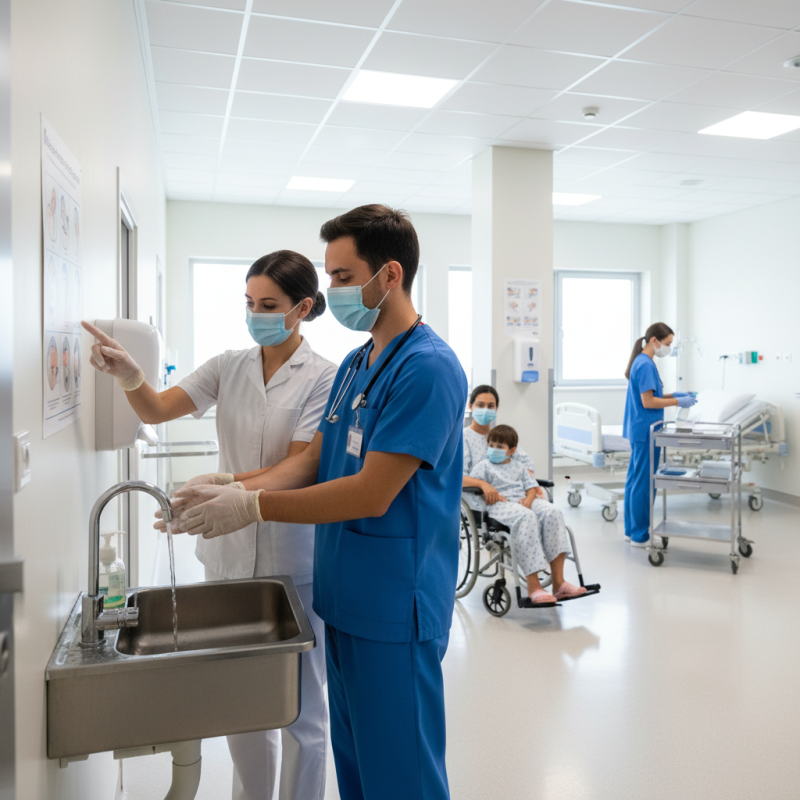
How to Maintain Hygiene in Medical Environments Effectively?

Best Practices for Hand Hygiene in Healthcare Settings

Hand hygiene is crucial in healthcare settings. Medical professionals frequently interact with patients and surfaces that can harbor pathogens. Washing hands thoroughly can significantly reduce infection rates. It’s essential to scrub all areas of the hands, including between fingers and under the nails. Using soap and water or alcohol-based hand sanitizers both serve this important purpose.

Despite knowing its importance, many healthcare workers struggle with consistent hand hygiene. A survey suggested that around 30% of professionals do not wash their hands effectively. This reveals a gap in adherence to protocols. Frequent reminders and easy-access sanitizing stations can help bridge this gap. Educational sessions can also reinforce best practices among staff members.

Moreover, it’s important to note common pitfalls. Some may forget to wash hands after removing gloves. Others might rush the process, leading to inadequate cleaning. Encouraging a culture of accountability can address these issues. Regular training and feedback can foster a safe environment for both staff and patients. Enhancing hand hygiene practices is a continuous journey that requires attention and commitment.

Equipment Cleaning and Disinfection Protocols

In medical environments, maintaining hygiene is crucial to prevent infections. Equipment cleaning and disinfection protocols are fundamental to this effort. Regularly cleaning surfaces reduces pathogen load, which is essential. According to a study published in the American Journal of Infection Control, proper disinfection reduces healthcare-associated infections by up to 30%.

Using the right cleaning agents is key. For instance, quaternary ammonium compounds are effective against various pathogens. However, improper dilution can reduce their efficacy. Always follow manufacturer guidelines closely.

Facilities should implement daily cleaning schedules. Diverse equipment may require specific techniques. For example, porous surfaces need different protocols than non-porous ones.

Tips: Ensure staff is trained in cleaning protocols. Consistency is vital. Also, use color-coded cloths to avoid cross-contamination. Routine audits can help maintain standards. Remember, even small oversights can lead to significant health risks. Regular training updates for staff can mitigate these issues. Equipment disinfection is not just about adherence; it’s about fostering a culture of hygiene that employees actively participate in.

Waste Management and Disposal Procedures in Medical Facilities

Effective waste management in medical facilities is crucial for maintaining hygiene and safety. Medical waste can pose significant health risks if not handled properly. Understanding different types of waste is vital. For instance, sharp objects like needles must be disposed of in puncture-proof containers. They pose a risk of injury and infection.

Regular training is essential to ensure staff follow proper disposal protocols. Staff should be well-versed in the segregation of waste. Hazardous materials require specific handling to prevent contamination. Color-coded bins help easily identify waste types, but adherence to this system can be inconsistent.

Monitoring waste disposal practices is necessary. Audits can reveal gaps in compliance and areas for improvement. Facilities might not have sufficient resources for all requirements. This can lead to improper disposal methods. Encouraging feedback from staff can help identify challenges. Implementing changes based on these insights is crucial for enhancing overall hygiene practices.

Staff Training and Education on Hygiene Standards

Training staff on hygiene standards is essential in medical environments. Regular training sessions can significantly improve adherence to protocols. Engaging workshops help staff grasp the importance of cleanliness. They learn how germs spread and the impact on patient health. Practical demonstrations ensure that team members can implement hygiene practices effectively.

Education should focus on real-life scenarios. Staff must understand the consequences of poor hygiene. Sharing case studies can highlight the risks involved. Staff may sometimes overlook minor details, like handwashing techniques. A reminder about the correct procedure can prevent infections. Ongoing assessments help reinforce learning and identify gaps.

Encouraging open discussions about hygiene practices fosters a culture of accountability. Staff might hesitate to voice concerns about peer practices. Creating a safe environment for feedback is crucial. It allows staff to reflect on their behaviors. Understanding that hygiene is a shared responsibility motivates individuals. Continuous learning and improvement are vital in maintaining high hygiene standards.

Staff Training and Education on Hygiene Standards

Regular Audits and Inspections for Compliance with Hygiene Policies

Regular audits and inspections are vital for maintaining hygiene in medical environments. These processes ensure compliance with established hygiene policies. Institutions need to assess cleanliness, procedures, and compliance phases consistently. It's not just about passing inspections but improving overall practices.

During audits, teams must observe every detail. This includes reviewing cleaning protocols, equipment sterilization, and waste management. The findings often highlight areas needing attention. For instance, staff adherence to handwashing protocols can sometimes be inconsistent. Identifying such lapses during inspections is crucial for immediate corrective actions.

Creating a culture of accountability enhances compliance. Staff must feel empowered to address hygiene issues. Regular feedback encourages discussions around hygiene practices. However, the challenge persists. Many employees may feel overwhelmed by the extensive policies and procedures. Continuous training and open communication can alleviate these concerns, fostering a more disciplined approach to hygiene.

FAQS

: Why is hand hygiene important in healthcare settings?

: Hand hygiene prevents infections by significantly reducing pathogens on hands.

What are common mistakes in hand hygiene practices among healthcare workers?

Many forget to wash hands after gloves or rush their cleaning process.

How can healthcare facilities improve hand hygiene compliance?

Facilities can use reminders, easily accessible sanitizers, and educational sessions for staff.

What should be included in equipment cleaning protocols?

Regular cleaning schedules, staff training, and specific techniques for different surfaces are vital.

Why is proper disinfection crucial in medical environments?

Proper disinfection can reduce healthcare-associated infections by up to 30%.

How can waste management practices be improved in medical facilities?

Regular training and audits can help monitor compliance and identify areas for improvement.

What are the risks of improper waste disposal?

Improper disposal can lead to health risks, injuries, and potential contamination.

How can color-coded bins assist in waste management?

Color-coded bins help in the segregation of different waste types, though compliance may vary.

What role does staff feedback play in hygiene practices?

Staff feedback can highlight challenges and areas needing adjustments in hygiene protocols.

What needs to be considered when choosing cleaning agents?

Proper dilution and following manufacturer guidelines are key to ensure effectiveness.

Conclusion

Maintaining hygiene in medical environments is crucial for patient safety and infection prevention. Effective practices include implementing stringent hand hygiene protocols, where healthcare staff are trained to wash and sanitize hands appropriately before and after patient interactions. Additionally, equipment cleaning and disinfection must follow standardized protocols to eliminate harmful pathogens.

Waste management is another vital aspect, with clear procedures for the disposal of medical waste to prevent contamination. Staff training and ongoing education emphasize the importance of hygiene standards and ensure all personnel are aware of best practices. Regular audits and inspections play a key role in verifying compliance with hygiene policies, thereby fostering a culture of safety and accountability. By focusing on these strategies, healthcare facilities can better answer the question of how to maintain hygiene in medical environments effectively.

Oliver

Oliver

Oliver is a seasoned marketing professional with a wealth of expertise in driving brand awareness and engagement. With a deep understanding of our company's product offerings, he consistently delivers high-quality content that enriches our professional blog. His insights not only shed light on......