In the complex world of healthcare, ensuring patient safety is paramount. One critical aspect is understanding what makes a medical product safe for hospitals. Safety is not merely a checklist; it's a multifaceted consideration involving various factors. Hospitals demand stringent quality standards to protect patients and staff alike.
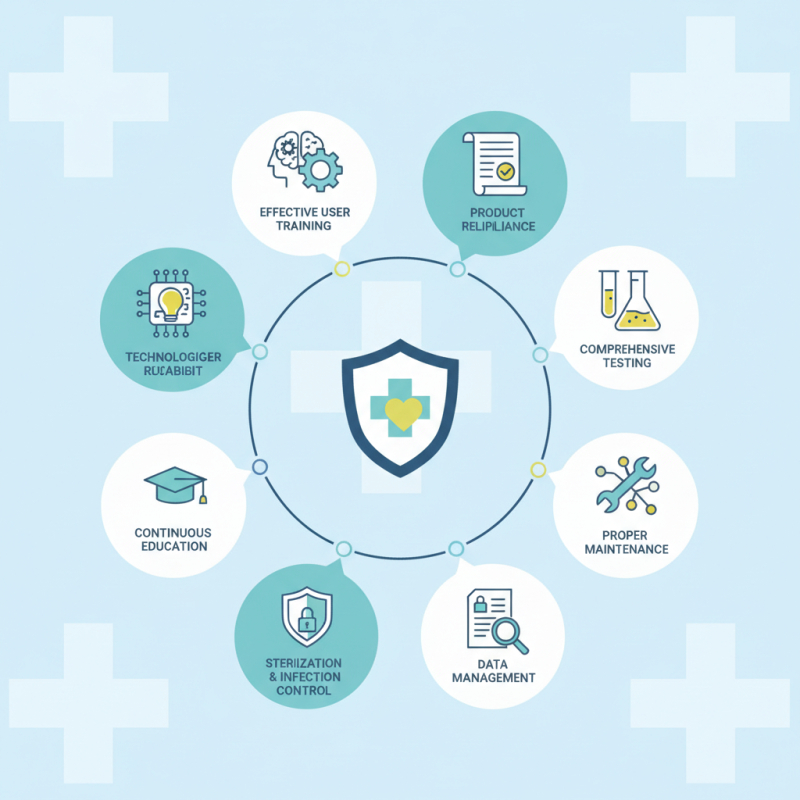
This article delves into ten key factors that influence medical product safety. Each factor plays a vital role in mitigating risks and enhancing patient care. For instance, effective user training is essential. Even the safest product can cause harm if misused. The reliability of the product, such as consistent performance and durability, is also crucial.
Experts emphasize the importance of regulatory compliance, comprehensive testing, and proper maintenance. These elements contribute to an environment where safety is prioritized. Yet, challenges remain. Continuous education and technological advancements are necessary to adapt to new safety concerns. Understanding these factors is vital not only for hospitals but also for manufacturers and healthcare professionals committed to patient safety.
Regulatory compliance is crucial for ensuring the safety of medical products in hospitals. The standards set by organizations such as the FDA, EMA, and WHO play a significant role. For instance, the FDA's Quality System Regulations require rigorous testing and validation, which enhance product reliability. A recent report indicated that over 40% of product recalls stem from compliance failures. This shows a need for better adherence to these standards.
Moreover, clinical trials are a cornerstone of regulatory approval. They assess both efficacy and safety, allowing for real-world insights. According to the latest data from the ClinicalTrials.gov database, nearly 60% of devices that fail to meet safety standards did not undergo adequate trial scrutiny. This can lead to severe consequences, including patient harm and financial losses.
Documentation is also a vital factor in compliance. Maintaining detailed records of product performance can improve transparency. Companies often falter in this area, inviting scrutiny that could have been avoided. The medical field must prioritize strong regulatory frameworks to protect patients. Continuous training on these factors is essential for healthcare professionals involved in product approval processes.
Ensuring user safety in hospitals requires thorough assessments of medical products. Key safety features include risk evaluation and preventative measures. A product with a user-friendly design minimizes potential misuse. Training staff on proper handling can further reduce accidents. Clear labeling on devices aids in swift recognition and prevents confusion.
Identifying risks means understanding how equipment could fail. Regular maintenance checks are crucial to prevent unexpected breakdowns. Hospitals should implement protocols for reporting issues swiftly. Utilizing feedback from medical staff can lead to improvements in safety features. Sometimes, overlooked details can cause significant safety breaches.
Additionally, the environment in which a product is used affects its safety. Consider the layout of hospital rooms. Space constraints may lead to accidents if equipment is not designed for tight areas. Engaging users in the design process can ensure products meet real-world needs. A focus on continuous improvement is essential, as are transparent communication and constant vigilance in maintaining safety standards.
Durability and longevity are crucial factors that influence hospital resource management. Medical products that last longer reduce the need for frequent replacements. This directly lowers costs and minimizes disruptions in patient care. For instance, a durable infusion pump can withstand multiple uses without malfunctioning. Fewer replacements mean more budget allocation for essential services and supplies.
Hospitals face a constant challenge in balancing quality and affordability. Choosing medical products with a proven track record of longevity can help. However, it’s easy to overlook ongoing maintenance needs. Regular checks and servicing of equipment like surgical tools ensure they remain safe for patients. Neglecting this can lead to unexpected failures, impacting patient outcomes.
In addition, the initial cost of durable products may be higher. Yet, considering their longevity, they often provide better long-term value. Hospitals must carefully evaluate the trade-offs between upfront investment and ongoing operational costs. This reflection is vital for effective resource management, ensuring hospitals operate smoothly and safely.
| Factor | Description | Impact on Longevity | Resource Management |
|---|---|---|---|
| Material Quality | High-quality materials ensure durability and resistance to wear. | Increases lifespan of products leading to less frequent replacements. | Reduces overall procurement costs and maintenance efforts. |
| Compliance with Standards | Adherence to healthcare regulations and standards ensures safety. | Enhances trust in product reliability and longevity. | Minimizes legal and financial risks associated with non-compliance. |
| Ease of Maintenance | Products designed for easy cleaning and maintenance promote safety. | Extends product life and prevents operational failures. | Optimizes staff time and resource allocation. |
| User Training | Effective training programs ensure proper use of medical products. | Reduces risk of misuse that could lead to damage. | Enhances operational efficiency and resource utilization. |
| Technology Integration | Advanced technology can improve product functionality and safety. | Promotes product longevity through real-time monitoring. | Improves resource planning and reduces wastage. |
| Robust Testing Procedures | Rigorous testing ensures product safety and effectiveness. | Identifies weaknesses that could affect longevity. | Reduces costs associated with defective products. |
| Supplier Reliability | Dependable suppliers provide consistent quality and support. | Facilitates steady supply of durable products. | Enhances planning accuracy and inventory control. |
| Patient Safety Features | Incorporating features that prioritize patient safety enhances trust. | Improves longevity through minimal errors in use. | Decreases risk of adverse events requiring additional resources. |
| Economic Viability | Affordability of a product plays a key role in its sustainability in a hospital setting. | Long-term investments in quality products save money. | Allows for better allocation of hospital budgets. |
| Environmental Impact | Choosing eco-friendly products supports sustainable hospital practices. | Durable products typically have a lower environmental footprint. | Promotes a positive image and long-term resource savings. |
Training staff effectively is crucial for the safe use of medical products in hospitals. When employees understand how to operate equipment, efficiency increases. This ease of use helps minimize errors. It is essential to create a structured training program that combines hands-on practice with theoretical knowledge. Engaging employees in simulations can prepare them for real-world scenarios.
Tips: Create training materials that are clear and concise. Use visuals to enhance understanding. Regularly assess employee confidence and competence.
Incorporating feedback loops can highlight challenges staff face. For instance, if a device is tricky to use, this may lead to delays and frustration. Hospitals must address these concerns promptly. Regular updates to training based on user experiences encourage a culture of continuous improvement.
Tips: Conduct anonymous surveys to gather honest feedback. Encourage a supportive environment for sharing experiences. Make adjustments to training sessions based on the collected insights.
Post-market surveillance plays a crucial role in maintaining the safety of medical products after they have been launched. Once a product enters the hospital environment, the process of monitoring begins. According to a report from the World Health Organization, nearly 1 in 10 patients experience adverse events due to unsafe medical products. These statistics highlight the need for ongoing vigilance.
Hospitals must conduct systematic data collection to identify issues like device malfunctions or unexpected side effects. Utilizing techniques such as user feedback and incident reporting can enhance the effectiveness of surveillance. A study published in the Journal of Patient Safety indicated that robust post-market monitoring can reduce adverse events by approximately 27%. This emphasizes the importance of integrating feedback mechanisms in a hospital's safety protocols.
However, challenges remain. Many hospitals struggle with resource limitations, leading to inconsistent surveillance practices. Inadequate data analysis can hinder the timely identification of safety risks. Reflection on these gaps is essential, as addressing them is vital for improving patient care and trust in medical products. Continual assessment and adaptation of surveillance strategies will pave the way for safer hospital environments.
: Key features include risk evaluation, user-friendly design, and clear labeling.
Training staff on proper handling can significantly reduce accidents.
Regular checks help prevent unexpected breakdowns, ensuring equipment works effectively.
Feedback from medical staff can lead to enhancements in safety protocols.
The layout and space constraints can lead to accidents if not designed thoughtfully.
Engaging users in the design process can help tailor products to actual requirements.
Durable products reduce replacement frequency, lowering costs and improving patient care.
Lack of upkeep can lead to unexpected failures, compromising safety and care quality.
Yes, higher upfront costs for durable products may lead to better long-term savings.
Balancing quality and affordability while evaluating ongoing operational costs is essential.
When considering what makes a medical product safe for hospitals, several key factors come into play. Firstly, regulatory compliance is paramount, as products must meet established standards for safety and effectiveness before being approved for use. User safety features are also crucial, requiring a thorough assessment of potential risks and the implementation of preventative measures to protect patients. Additionally, the durability and longevity of medical products impact hospital resource management, ensuring that investments are sustainable over time.
Furthermore, ease of use is vital, as products that are simple to operate minimize training requirements and enhance employee efficiency. Lastly, post-market surveillance is essential for monitoring safety after a product's launch, allowing for the identification and mitigation of any emerging risks. By focusing on these factors, hospitals can ensure the medical products they utilize are safe and effective, ultimately enhancing patient care.

Ultrivex Medical