In today's healthcare environment, understanding what materials are used in medical protective products is crucial. These products, such as gloves, masks, and gowns, play a significant role in safeguarding both healthcare workers and patients. The materials used can vary greatly, impacting their effectiveness and safety.
For instance, many masks utilize non-woven fabrics, which provide excellent filtration. Vinyl and latex are common choices for gloves, each with distinct properties. The selection of these materials is often guided by regulatory standards, as performance and safety are paramount. However, not all medical protective products are created equal. Variations in material quality can lead to uncertainty in protection levels.
Identifying the right materials can be challenging. It requires a keen understanding of both the product specifications and the specific healthcare contexts in which they are used. Professionals must also consider potential allergies and sensitivities among users. Awareness of how these materials interact with various substances is essential. Inadequate knowledge can lead to dire consequences, emphasizing the need for continuous education and vigilance in this critical field.
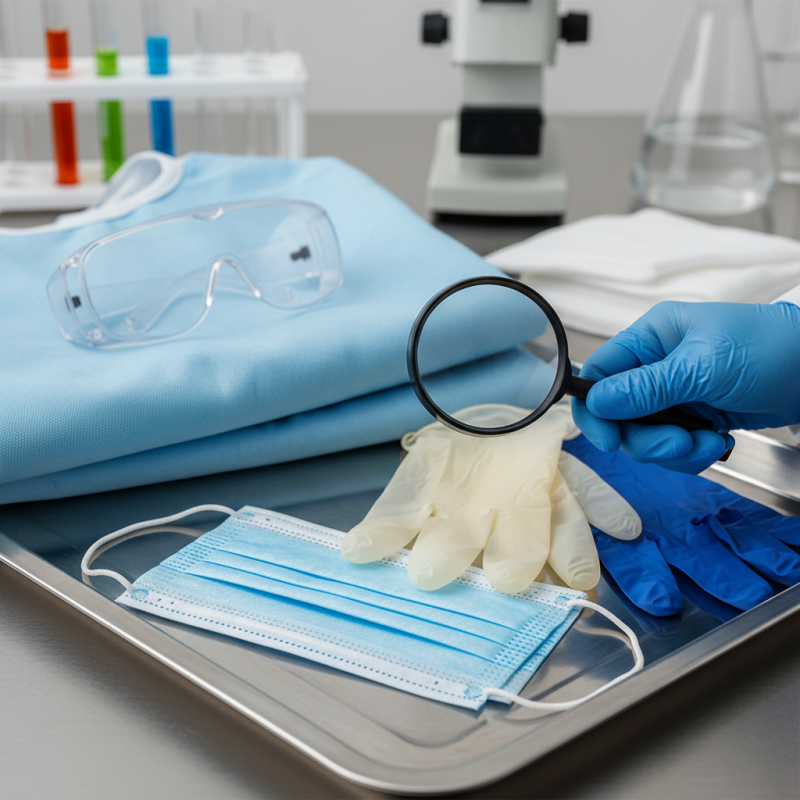
Medical protective products play a crucial role in healthcare settings. They safeguard healthcare workers and patients from infections and contaminants. These products include gowns, masks, gloves, and face shields. Their proper use can significantly reduce the risk of transmission of pathogens. In an increasingly complex healthcare landscape, understanding these materials is essential.
Different materials are used in these products, each with specific properties. For instance, disposable gowns may be made from non-woven polypropylene. This textile is lightweight and resistant to fluids. Masks often utilize multipurpose filters, enabling breathability while preventing droplet spread. However, the performance of these materials can vary. Some breathable fabrics might not offer sufficient protection. It is important for users to be aware of these differences and choose appropriately.
While many products claim to meet safety standards, not all are equally effective. Relying solely on labels can be misleading. Ongoing research is critical to ensure that the materials used in protective gear remain reliable. The effectiveness of a product often depends on its proper use and fit. Understanding the foundations of these materials can foster better practices within healthcare environments. Engaging with ongoing discussions in medical safety is beneficial for professionals and patients alike.
When discussing common materials used in medical protective gear, several key options emerge.
Polypropylene is predominant due to its lightweight, durable nature. It often forms the basis of masks and gowns. The fibers are breathable yet protective, making them ideal for healthcare settings.
Another material, polyethylene, offers excellent fluid resistance. This characteristic is crucial for items like surgical drapes and isolation gowns.
Latex and nitrile are widely used in gloves. Latex provides a comfortable fit, while nitrile is more resistant to chemicals and punctures. Healthcare workers often choose nitrile gloves for tasks involving sharp instruments or hazardous materials. This selection emphasizes the importance of material choice in ensuring safety and comfort.
Tips: When selecting gear, consider your specific needs. Check material labels for safety features. Be mindful of allergies, especially with latex products. Reflect on the potential gaps in protection.
Not all materials offer the same level of safety. Always stay informed about new innovations in medical protective products.
Identifying materials in medical protective products is vital for safety. Various techniques are available for this purpose. Visual inspection is one approach. Observing surface textures can give clues about a material's identity. Polyethylene, for example, has a smooth finish. In contrast, materials like nitrile often appear more textured.
Another useful method involves chemical testing. Reactivity tests can determine material composition. A drop of a specific solvent can reveal how a material behaves. Some materials will dissolve, while others will remain unchanged. However, handling chemicals requires caution. This method demands a level of expertise and access to safety equipment.
Spectroscopy is also gaining popularity. This analytical technique examines how materials interact with light. By studying the spectrum produced, one can infer the material type. This method is precise but needs specialized knowledge. Not everyone has such training. Reflecting on these methods reveals the challenges. Identifying protective materials is not always straightforward. It often requires a combination of approaches and expertise.
When assessing the quality and safety of medical protective materials, it’s crucial to identify the raw materials used in their production. Common materials include polypropylene, polyester, and polyethylene. These fabrics differ in their protective capabilities and comfort levels. Understanding how these materials interact with environmental factors can enhance safety.
**Tips:** Look for certifications that indicate compliance with safety standards. These labels provide peace of mind regarding quality. Additionally, consider the intended use of the protective product. Different settings may require different material strengths.
Conducting visual inspections can also provide insight into material quality. Check for any visible defects. Remember, some products may appear intact but lack essential protective features. User feedback is vital; real-world usage can highlight potential issues. Engaging with peers can yield valuable perspectives on material performance and durability.
Identifying materials in medical protective products is crucial for ensuring safety and efficacy. Regulatory standards govern the types of materials that can be used in medical protective equipment (PPE). For instance, the FDA establishes guidelines that mandate specific testing and performance criteria for textiles and plastics in PPE. According to a 2023 report by the International Organization for Standardization (ISO), over 85% of PPE materials require compliance with established safety levels.
Regulatory frameworks, like ISO 13485, stipulate that materials must undergo rigorous evaluation. These protocols assess factors such as biocompatibility and barrier effectiveness. Testing must also ensure resistance to fluids and contaminants. Current data suggest that materials classified under ASTM standards show an impressive 95% efficiency in filtration and protection against pathogens. This level of compliance is vital to maintaining healthcare workers' safety.
Tips: Always verify certificates of compliance from suppliers. Look for reports that demonstrate material testing outcomes. Be aware that not all materials labeled as "medical grade" meet required safety standards. Continuous education on these standards is essential for anyone involved in purchasing or utilizing PPE.
| Material Type | Common Applications | Regulatory Standards | Biocompatibility | Durability |
|---|---|---|---|---|
| Polypropylene (PP) | Surgical gowns, masks | ISO 13485 | Yes | High |
| Latex | Gloves, catheters | ASTM D3578 | Yes | Medium |
| Vinyl (PVC) | Blood bags, tubing | ISO 10993 | Yes | Medium |
| TPE (Thermoplastic Elastomer) | Injectable devices, wound care | ISO 14971 | Yes | High |
| Polyethylene (PE) | Disposable gowns, covers | FDA 21 CFR | Yes | Medium |
: They are items like gowns, masks, and gloves that safeguard against infections.
They protect healthcare workers and patients from infections and contaminants.
Techniques include visual inspection and chemical testing of the materials.
It involves observing textures and finishes of materials to identify them.
Not all products claiming safety standards are equally effective or reliable.
Agencies provide guidelines for materials testing, ensuring safety and efficacy.
They show about 95% efficiency in filtration and protection against pathogens.
Effectiveness highly depends on how well a product fits and is utilized.
It often requires expertise and multiple methods due to material complexity.
No, some may not meet the required safety standards despite the label.
Medical protective products are essential in safeguarding healthcare professionals and patients from infections and contaminants. Understanding what materials are used in medical protective products is crucial for ensuring effectiveness and safety. Common materials include non-woven fabrics, polyethylene, and various synthetic polymers that provide barriers against pathogens.
Identifying the specific materials in protective gear can be achieved through techniques such as visual inspection, chemical testing, and material composition analysis. Furthermore, assessing the quality and safety of these materials involves evaluating their durability and compliance with regulatory standards, which set guidelines to ensure that materials used in medical protective equipment meet the necessary health and safety criteria. Adhering to these standards is vital for effective medical protection and patient safety.

Ultrivex Medical