Which Industries Need High Level Hygiene Protection in 2026?

Time:2026-06-07 Author:Ethan
0%

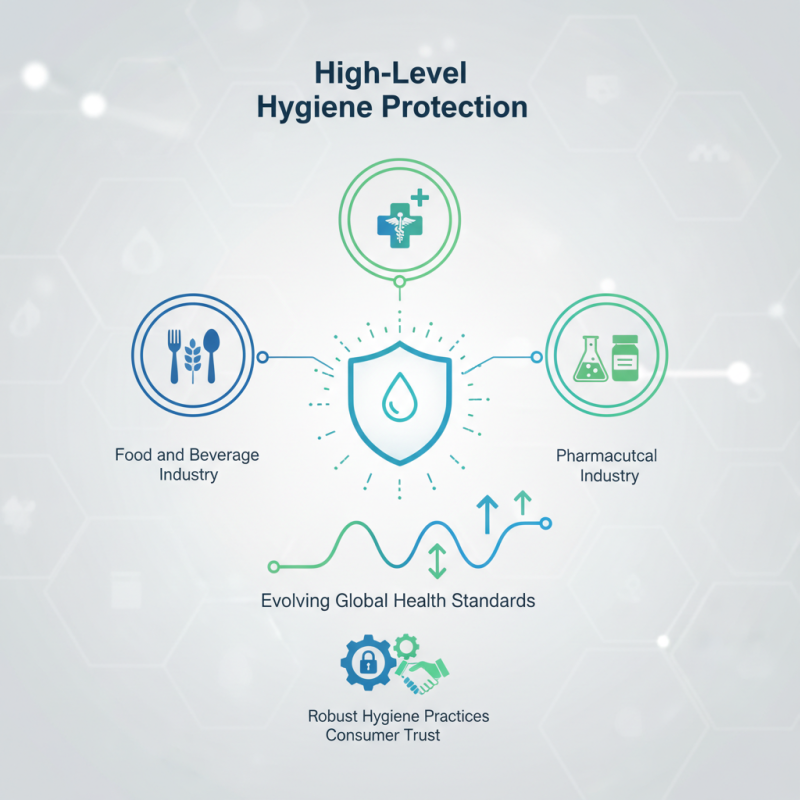
In 2026, maintaining high-level hygiene protection is crucial across various sectors. As global health standards evolve, questions arise about which industries require high level hygiene protection. The food and beverage industry stands out. It is crucial to prevent contamination and ensure consumer safety. Healthcare facilities also demand strict hygiene protocols. The risk of infections can significantly increase if these standards are neglected.

Additionally, the pharmaceutical industry relies on stringent cleanliness protocols. Manufacturing and storage areas need to be meticulously sanitized. Neglecting these measures can have dire consequences for public health. A look at these sectors reveals common challenges in maintaining hygiene.

In conclusion, assessing which industries require high level hygiene protection is essential. Ongoing vigilance and adaptation to emerging health threats are necessary. Companies must invest in robust hygiene practices to ensure safety and build consumer trust.
Which Industries Need High Level Hygiene Protection in 2026?

High Hygiene Standards in Healthcare: Trends and Predictions for 2026

In the healthcare sector, maintaining high hygiene standards is crucial. Hospitals and clinics face constant challenges in infection control. In 2026, the demand for rigorous hygiene protocols will escalate. This is largely due to the rise of antibiotic-resistant bacteria. These pathogens complicate patient care and threaten safety. Facilities must adopt advanced sanitation practices to mitigate these risks.

Emerging technologies play a role in enhancing hygiene. For instance, UV-C light sanitation can reduce microbial load effectively. Disposable materials are becoming the norm in many medical settings. They simplify cleanliness but raise questions about environmental impact. Furthermore, staff training on hygiene practices is essential. Regular workshops and refresher courses can significantly affect compliance and performance.

However, challenges remain. Some facilities struggle with maintaining supplies of hygiene products. Budget constraints may limit their ability to implement changes. Additionally, not all healthcare workers embrace new procedures. There is a need for ongoing support and motivation. Addressing these issues is vital to ensure high hygiene standards are consistently met.

Food Industry Regulations: The Need for Enhanced Hygiene Practices in 2026

The food industry is facing escalating hygiene challenges as we approach 2026. Recent reports highlight that 48% of food businesses encountered foodborne illness outbreaks in the past year. Such incidents emphasize the critical need for enhanced hygiene practices. These practices are more than just optional; they are essential to maintaining public health and consumer trust.

In response to these challenges, regulatory frameworks are evolving. For instance, the Food Safety Modernization Act (FSMA) urges food entities to adopt preventive measures. Reports indicate that implementing robust hygiene protocols can reduce the risk of contamination by as much as 75%. This statistic underscores the urgency for businesses to upgrade their hygiene standards. Many companies, however, struggle with compliance due to a lack of resources or knowledge.

As we look ahead, the demand for transparency in food production is growing. Consumers increasingly prefer brands that prioritize hygiene. Industry data reveals that 65% of consumers are willing to pay more for products from hygienically compliant suppliers. Yet, the continuous improvement of hygiene practices remains a challenge. These issues highlight a pressing need for a cultural shift within the food industry, fostering a proactive approach to hygiene and safety.

Pharmaceutical Manufacturing: Maintaining Sterility and Compliance in 2026

The pharmaceutical manufacturing industry faces increasing pressure to maintain high levels of hygiene. Reports indicate that nearly 55% of contamination incidents are linked to inadequate hygiene practices. In 2026, firms must prioritize their sterilization protocols to ensure product safety. Regular auditing and validation of hygiene procedures can minimize risks.

Training staff on sterile techniques is essential. A recent study showed that 40% of contamination events stem from human error. Implementing rigorous training programs can address this issue. Furthermore, real-time monitoring of cleanroom environments is becoming crucial. Sensor technologies are evolving, providing alerts about airborne particulates and humidity levels.

Despite advancements, challenges remain. Many facilities still struggle to achieve compliance with strict regulatory standards. An estimated 30% of companies cite budget constraints as a barrier to upgrading hygiene measures. As the industry pushes towards innovation, the need for effective resource allocation is clear. An investment in hygiene is not just a recommendation; it’s a necessity for survival.

Which Industries Need High Level Hygiene Protection in 2026?

Industry Importance of Hygiene Risks of Non-Compliance Regulatory Standards Key Hygiene Practices
Pharmaceutical Manufacturing Critical for product safety Risk of contamination and product recalls GMP, FDA Regulations Sterilization, cleanroom protocols
Food Processing Ensures consumer safety Foodborne illnesses HACCP, FSMA Sanitation, pest control
Medical Device Manufacturing Prevents device-related infections Increased patient risk ISO 13485, FDA Guidelines Cleanroom environments, validation
Biotechnology Essential for research and product development Loss of research integrity Biosafety Standards Personal protective equipment, sterilization

Hospitality Sector Hygiene Protocols: Meeting Consumer Expectations by 2026

The hospitality sector will face heightened hygiene expectations by 2026. This shift arises from more informed consumers who prioritize cleanliness. Travelers today expect their environments, from hotels to restaurants, to uphold stringent hygiene protocols. Cleanliness directly influences their choices, impacting bookings and reviews.

Implementing effective hygiene protocols is not straightforward. Training staff is essential. They need to understand the latest sanitation methods and technologies. Regular audits can help maintain standards. However, simply enforcing rules isn’t enough. Staff should feel empowered to adapt practices based on observed conditions. An audit that reveals gaps will require a proactive approach to rectify issues quickly.

Consumer confidence is fragile and can be easily shaken. A single lapse in hygiene can lead to negative publicity. Furthermore, the challenge lies in keeping protocols updated. New variants of viruses and emerging health trends require constant vigilance. Maintaining consistent communication with guests about hygiene practices is crucial. In the end, hospitality businesses must continually reflect on their strategies to meet and exceed consumer expectations.

Agricultural Practices: The Push for Hygiene in Food Safety by 2026

In 2026, agricultural practices will bear the crucial burden of ensuring food safety. The rise in global population demands increased food production. Unfortunately, higher yields often come with risks. These include contamination and disease spread. Farmers face pressure to adopt strict hygiene measures. This means more training and resources are necessary.

The techniques used in crop production are evolving. Soil health, water quality, and pest management are vital. Each element must be monitored with precision. For instance, rotating crops can improve soil quality and reduce pathogens. Simplifying processes can lead to oversight. It’s essential to focus on what truly matters.

Innovation is a double-edged sword. While technology can enhance safety, it can also distract. Farmers may overly rely on solutions instead of basic hygiene practices. A clear understanding of hygiene protocols is paramount. In this rapidly changing landscape, industry stakeholders must collaborate. Sharing knowledge can help cultivate a culture of vigilance and accountability.

FAQS

: What is the current state of hygiene in the food industry?

: The food industry faces serious hygiene challenges. Recent reports indicate 48% of businesses experienced foodborne illness outbreaks.

Why are hygiene practices important for food businesses?

Enhanced hygiene practices are essential for public health. They help maintain consumer trust and reduce contamination risks.

How can food businesses improve hygiene?

Implementing robust hygiene protocols can reduce contamination risk by up to 75%. This requires investment in training and knowledge.

What is pushing agricultural practices towards better hygiene?

The growing global population demands higher food production. This increases the risk of contamination, making strict hygiene measures essential.

Are consumers concerned about food hygiene?

Yes. Data shows 65% of consumers prefer hygienically compliant suppliers and may pay more for these products.

What challenges do farmers face in maintaining hygiene?

Farmers must adopt strict hygiene measures, requiring more training and resources. Balancing innovation with basic hygiene is crucial.

Can technology in agriculture help with hygiene?

Technology can enhance safety but may also distract from basic hygiene practices. A focus on core hygiene protocols is needed.

What is essential for effective food safety practices?

Monitoring soil health, water quality, and pest management is vital. Every element must be carefully managed for safety.

What is the significance of collaboration in food safety?

Industry stakeholders must share knowledge to foster a culture of vigilance. Collaboration can enhance accountability in hygiene practices.

How can industry standards evolve for better hygiene?

Regulatory frameworks are changing to urge preventive measures. Companies that adapt can promote a healthier food environment.

Conclusion

The necessity for stringent hygiene standards is becoming increasingly critical across various sectors as we approach 2026. This article outlines which industries require high level hygiene protection, emphasizing healthcare, where the need for enhanced sterilization and compliance practices will be paramount due to rising patient expectations and regulatory pressures. Additionally, the food industry is set to face stricter regulations aimed at improving hygiene practices to ensure consumer safety.

In the pharmaceutical manufacturing sector, maintaining sterility will be vital for compliance and public health. The hospitality industry must also adapt to meet heightened consumer expectations for cleanliness, while agricultural practices will increasingly focus on hygiene to guarantee food safety. As these industries evolve, the implementation of rigorous hygiene protocols will be essential to mitigate risks and uphold health standards.

Ethan

Ethan

Ethan is a seasoned marketing professional with a deep expertise in our company's innovative product line. With a passion for sharing knowledge and insights, he takes the lead in regularly updating our corporate blog, where he explores industry trends, product features, and effective marketing......