What is Infection Control in Healthcare and Why Is It Crucial?

Time:2026-05-22 Author:Isabella
0%

In the modern healthcare landscape, understanding "what is infection control in healthcare" is vital. Infection control refers to practices designed to prevent the spread of infections in healthcare settings. This is crucial for protecting patients, healthcare workers, and the community at large.

Infection control encompasses a range of protocols, from hand hygiene to the sterilization of equipment. Effective measures can significantly reduce the transmission of healthcare-associated infections (HAIs). However, adherence to these protocols often lacks consistency. Understanding the reasons behind this inconsistency is essential for improving practices.

The impact of failing to maintain infection control can be severe. Patients may experience prolonged hospital stays or complications from infections. Yet, many healthcare facilities struggle to implement and sustain effective infection control strategies. This gap highlights the need for ongoing education and awareness in the healthcare community.
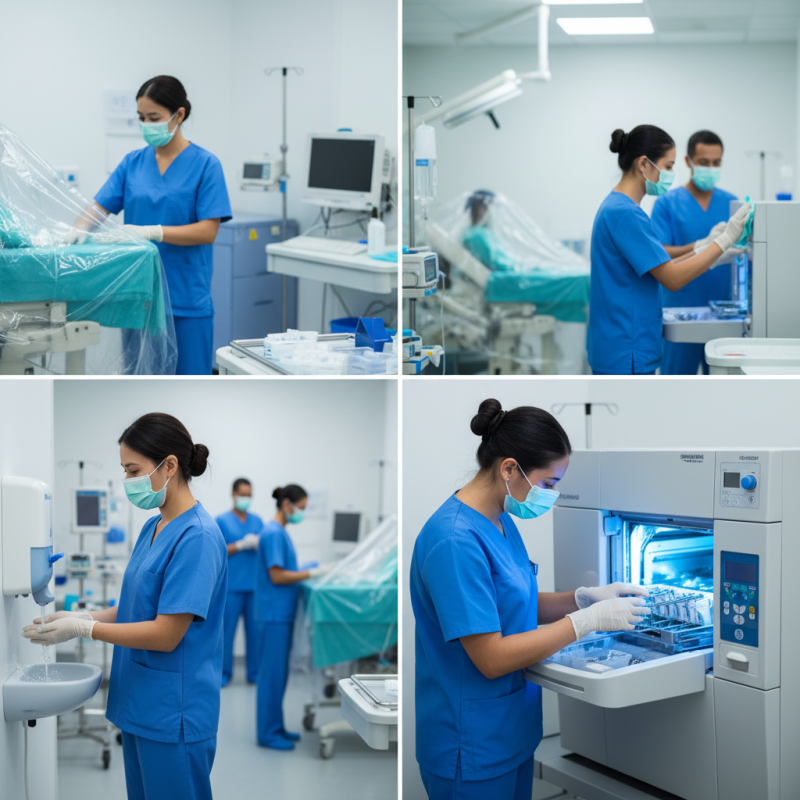
What is Infection Control in Healthcare and Why Is It Crucial?

Definition of Infection Control in Healthcare Settings

Infection control in healthcare settings refers to practices and protocols designed to prevent the spread of infections. This can include hand hygiene, the use of PPE (personal protective equipment), and environmental cleaning. Understanding these methods is vital in hospitals, clinics, and nursing homes. Infections can jeopardize patient safety and increase healthcare costs.


Hand hygiene is one of the simplest yet most effective infection control methods. Healthcare workers must wash their hands frequently and thoroughly. Despite knowing this, compliance can sometimes be low. Providers may skip handwashing due to time constraints or forgetfulness. This highlights a critical need for continuous education and reminders about its importance.


Another aspect is the use of PPE, which includes gloves, masks, and gowns. While essential, these items can create a false sense of security. Some healthcare workers may become complacent, thinking PPE alone is enough. This mentality can lead to lapses in other preventive measures. Thus, training and reinforcement are crucial for effective infection control in healthcare settings.

Key Principles and Practices of Infection Control

Infection control is essential in healthcare. It involves practices that prevent the spread of infections. Effective hand hygiene is one of the core principles. Staff must wash hands frequently. This simple action can significantly reduce infection rates. Ensuring proper sanitation in patient areas is also crucial. Regular cleaning of surfaces minimizes bacteria buildup.

Personal protective equipment (PPE) is vital. Masks, gloves, and gowns protect both patients and healthcare workers. Training staff on how to use PPE properly is necessary. However, compliance can sometimes be inconsistent. This highlights the need for ongoing education and reminders.

Monitoring infection rates helps identify problem areas. Health institutions should analyze outbreaks to improve practices. Reflecting on past incidences encourages accountability. Sharing experiences among healthcare providers fosters a culture of safety. Infection control requires commitment and constant improvement. It is a shared responsibility that can save lives.

The Importance of Infection Control for Patient Safety

Infection control is essential for ensuring patient safety in healthcare settings. When healthcare workers prioritize infection control, they significantly reduce the risk of healthcare-associated infections (HAIs). According to the Centers for Disease Control and Prevention (CDC), approximately 1 in 31 hospital patients has at least one HAI on any given day. This statistic highlights the critical need for effective infection control practices.

A robust infection control program can lead to a decrease in these rates. The World Health Organization estimates that proper hand hygiene could reduce the spread of pathogens by up to 50%. Simple actions like handwashing can save lives. Nonetheless, compliance with hygiene protocols often shows inconsistencies. Studies indicate that healthcare workers adhere to hand hygiene guidelines only about 40% of the time, revealing significant gaps in practice.

Environmental factors also play a role in infection control. Surfaces in patient care areas can harbor pathogens, with some bacteria remaining viable for months. Regular cleaning and disinfection are fundamental, yet many facilities struggle with maintaining these processes consistently. Investing in continuous training and resources for staff is crucial to address this challenge. Addressing these shortcomings can lead to a safer environment for patients and improved health outcomes overall.

Common Infection Control Methods and Tools Used in Healthcare

Infection control is vital in healthcare settings. It focuses on preventing and managing infections. Various methods and tools are employed to achieve this goal. Basic practices include hand hygiene, using personal protective equipment (PPE), and maintaining a clean environment.

Hand hygiene is fundamental. Washing hands reduces the risk of spreading pathogens. Healthcare workers must cleanse their hands before and after patient interactions. PPE, like masks and gloves, serves as a barrier against infection. However, improper use can compromise safety.

Environmental cleaning tools, such as disinfectants, are also crucial. They help eliminate harmful microorganisms on surfaces. Regular cleaning schedules are essential, yet they can sometimes be inconsistent, leading to potential risks. Training staff on infection control measures is important, but the effectiveness of this training varies. Constant reflection and improvement are necessary to enhance infection control protocols.

Impact of Effective Infection Control on Public Health Outcomes

Infection control is vital for public health outcomes. It significantly reduces the spread of infections within healthcare settings. Effective infection control measures include proper hand hygiene, sterilization of equipment, and isolation protocols. These practices not only protect patients but also safeguard healthcare workers and the community.

One effective tip is to ensure regular training for healthcare staff. Training enhances awareness of infection control protocols. Knowledgeable staff are more likely to adhere to guidelines. Engage employees in discussions about new strategies. Consistency in practices can prevent outbreaks.

Another crucial aspect is patient education. Informing patients about their role in infection prevention contributes to overall health. Encourage them to ask questions about hygiene practices. Simple actions like handwashing can make a big difference. However, it's essential to recognize that not all facilities maintain consistent infection control practices. Some may struggle with compliance due to various challenges. Understanding these gaps is a step towards improvement.

Impact of Effective Infection Control on Public Health Outcomes

FAQS

: Why is infection control important in healthcare?

: Infection control prevents the spread of infections and is essential for patient and worker safety.

What is the core practice of infection control?

Effective hand hygiene is fundamental. Regular hand washing significantly reduces infection rates.

How often should staff wash their hands?

Staff should wash their hands frequently, especially before and after patient interactions.

What role does personal protective equipment (PPE) play?

PPE, like masks and gloves, protects against infections for both staff and patients.

Are healthcare workers trained in PPE usage?

Yes, but compliance with PPE guidelines can be inconsistent. Ongoing education is necessary.

Why is environmental cleaning important?

Regular cleaning of surfaces minimizes bacteria buildup and reduces infection risks.

What tools are used in environmental cleaning?

Disinfectants are key tools that eliminate harmful microorganisms on surfaces.

How can healthcare institutions improve infection control?

Monitoring infection rates and reflecting on past outbreaks helps identify and address problem areas.

What challenges exist in training staff on infection control?

The effectiveness of training varies. Some staff may not feel fully prepared despite training.

How can a culture of safety be fostered among healthcare providers?

Sharing experiences and encouraging accountability promotes a safer healthcare environment.

Conclusion

In healthcare settings, infection control refers to a set of evidence-based practices and guidelines designed to prevent and manage infections among patients and healthcare workers. Understanding what is infection control in healthcare is essential for maintaining a safe environment. Key principles include hand hygiene, use of personal protective equipment (PPE), and sterilization of medical instruments. These practices not only protect patients but also enhance overall healthcare quality.

The importance of infection control for patient safety cannot be overstated, as it helps reduce the risk of healthcare-associated infections (HAIs), which can lead to severe complications and increased healthcare costs. Common infection control methods include isolation procedures, routine cleaning and disinfection, and vaccination programs. The impact of effective infection control extends beyond individual facilities, contributing significantly to public health outcomes by controlling the spread of infectious diseases within communities.

Isabella

Isabella

Isabella is a dedicated marketing professional with a sharp focus on driving brand growth and engagement through strategic content creation. With an extensive background in digital marketing, she combines her passion for storytelling with her keen understanding of industry trends to deliver......