Maintaining hygiene in medical environments is crucial for patient safety. Dr. Emily Carter, a leading expert in infection control, emphasizes, “Every small action counts in the fight against healthcare-associated infections.” This underscores the need for precision and care in hygiene practices.
Medical facilities are breeding grounds for bacteria and viruses. Regular cleaning, proper waste disposal, and hand hygiene are essential. Research indicates that 1 in 10 patients may acquire infections while receiving treatment. These statistics highlight the challenges medical teams face. Inadequate cleanup procedures can lead to minor outbreaks, revealing areas needing improvement.
Effective training in hygiene protocols is fundamental. Staff must be well-versed in practices such as sterilization and disinfection. However, challenges exist; not all facilities prioritize ongoing education. Regular assessments and adjustments to protocols can aid in enhancing cleanliness. Reflection on past failures is necessary, as perfect hygiene is an evolving goal. The focus must remain on how to maintain hygiene in medical environments effectively.
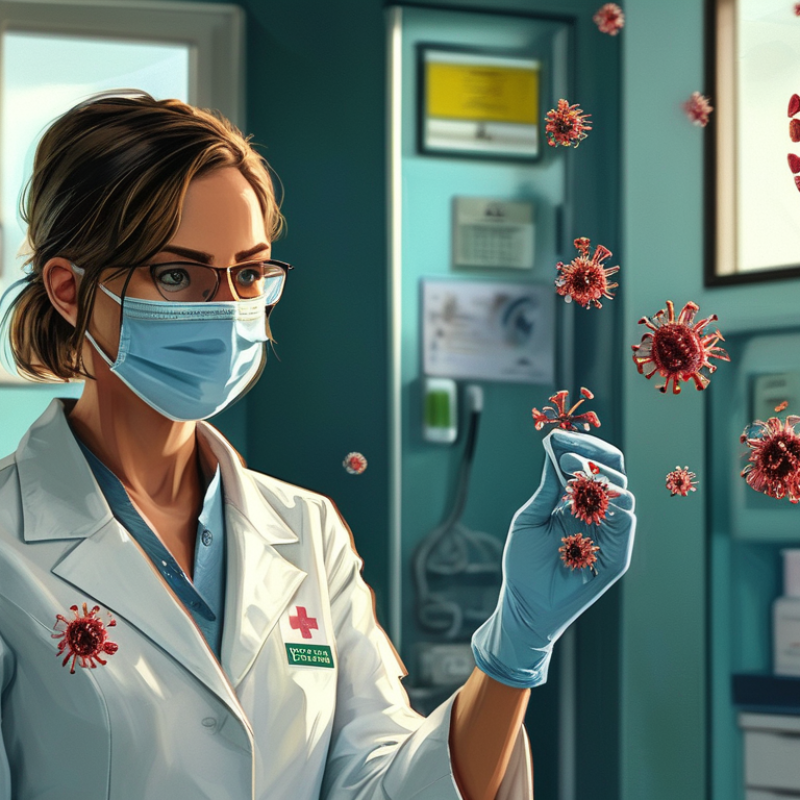
Maintaining hygiene in medical settings is crucial for ensuring patient safety and preventing infections. Healthcare-associated infections (HAIs) affect about 1 in 31 hospital patients, according to the CDC. Proper hygiene practices can significantly lower these risks. Cleaning hands before and after patient interactions is essential. Hand hygiene compliance among healthcare workers is alarmingly low, with average adherence rates around 40%.
Tips for effective hygiene include:
- Always wash hands with soap and water or use an alcohol-based hand sanitizer.
- Regularly disinfect high-touch surfaces, such as bedrails, doorknobs, and medical equipment.
- Educate staff about the importance of hygiene and its direct impact on patient outcomes.
Not every facility meets the gold standard in hygiene. Many hospitals struggle with resources for comprehensive cleaning. A significant percentage of healthcare facilities lack adequate training on infection control protocols. This gap needs addressing to enhance patient protection and overall hygiene standards. Continuous education practices can mitigate these issues directly.
In medical environments, cleaning and disinfecting equipment is crucial for patient safety. Proper practices reduce the risk of infection and contamination. Staff should follow guidelines strictly to ensure efficiency. Regularly scheduled cleaning protocols should be established and adhered to.
One key practice is the use of appropriate disinfectants. Not all surfaces require the same cleaning agents. For instance, high-touch surfaces need more effective solutions. Staff should be trained to understand the difference. It’s vital to check expiration dates on these products. Relying on expired disinfectants can compromise efforts.
Additionally, cleaning should start from the cleanest areas to the dirtiest. This prevents cross-contamination. Personal protective equipment (PPE) must be worn during cleaning. It adds a layer of safety. After cleaning, surfaces may still appear unclean. It's essential to inspect with a critical eye and reassess cleaning practices regularly. This reflection helps identify areas in need of improvement. Each step plays a significant role in maintaining a hygienic environment.
| Practice | Frequency | Description | Tools/Agents Used |
|---|---|---|---|
| Disinfection of Surfaces | Daily | Cleaning and disinfecting all frequently touched surfaces. | Alcohol-based cleaners, disinfectant wipes |
| Sterilization of Instruments | After Each Use | Ensuring all surgical instruments are properly sterilized. | Autoclaves, sterilization wraps |
| Hand Hygiene Compliance | Continuous | Regular handwashing and use of hand sanitizers by staff. | Soap, hand sanitizers |
| Proper Waste Disposal | Daily | Disposing of medical waste in accordance with regulations. | Biohazard containers |
| Ventilation Maintenance | Monthly | Ensuring proper functioning of HVAC systems for air quality. | Air filters, ventilators |
Hand hygiene is crucial in healthcare settings. Proper handwashing can significantly reduce the spread of infections. Healthcare workers must follow strict protocols to ensure effective hand hygiene. Regular training sessions can help reinforce these protocols. However, compliance often falls short. Factors like busy schedules and lack of visible reminders can impede adherence.
Visual cues in the environment can enhance awareness. Placing hand sanitizer stations in convenient locations is effective. Staff should understand the dangers of neglecting hand hygiene. With increased education, workers may become more motivated. Still, challenges remain. Some feel handwashing interrupts their workflow. Balancing efficiency and hygiene is essential.
Monitoring hand hygiene compliance is vital. Feedback can highlight areas for improvement. Nevertheless, not all assessments are accurate. Regular audits can promote transparency, but they require staff buy-in. Fostering a culture of accountability is necessary for sustenance. Building a supportive atmosphere encourages ongoing commitment to hygiene practices.
In medical environments, maintaining cleanliness is crucial for patient safety. Establishing a routine for monitoring hygiene can greatly enhance these efforts. Regular inspections are essential. Create a checklist that covers all areas, including waiting rooms, patient rooms, and restrooms. Assign team members to specific zones for accountability.
Tips: Designate a daily “cleanliness captain.” This role can rotate among staff members. Regular training sessions can boost awareness about hygiene importance. Use infection control data to identify areas needing more attention. Engage staff in discussions. They might provide insights on overlooked spots.
Documentation plays a key role. Keep records of cleaning schedules, inspection results, and training sessions. This data helps track progress over time. However, recognize that no system is perfect. Adjust your procedures based on feedback and outcomes. Frequent reflections on current practices can drive improvement. Finding convenient times for inspections while respecting patient comfort can be a challenge. Balancing efficiency and thoroughness will require ongoing effort.
Training and educating staff on best hygiene practices in healthcare is crucial. According to the Centers for Disease Control and Prevention (CDC), nearly one in every 25 hospital patients will acquire at least one healthcare-associated infection (HAI). This statistic highlights the dire need for effective training programs. Healthcare facilities must prioritize hygiene education during onboarding and continually throughout employment. Regular workshops can equip staff with the latest standards and techniques.
Staff should receive information on hand hygiene, equipment sterilization, and proper waste disposal. Interactive training sessions can help reinforce these practices. In a study published by the American Journal of Infection Control, hospitals that had ongoing training saw a 20% reduction in infection rates. Role-playing scenarios can be effective, allowing staff to practice responses to potentially infectious situations.
Despite these efforts, challenges remain. Some staff may resist change. Maintaining consistent compliance is difficult, especially in high-pressure environments. It is essential to create a culture of accountability and support so that staff feel comfortable addressing hygiene concerns. Regular evaluations and feedback can help identify areas needing improvement. Investing in staff education is not just a requirement; it’s a commitment to patient safety.
: Hand hygiene is essential to reduce the spread of infections among patients and staff.
Busy schedules and a lack of reminders can lead to poor compliance with hygiene protocols.
By placing hand sanitizer stations in accessible locations, awareness and usage can be enhanced.
Ongoing training equips staff with the latest techniques and boosts motivation for compliance.
Interactive sessions, role-playing, and regular workshops engage staff and reinforce learning.
Encouraging open discussions about hygiene practices helps staff feel comfortable addressing concerns.
Facilities with continuous training have reported up to a 20% reduction in infection rates.
No, not all monitoring methods are accurate, which can hinder effective improvement efforts.
Educating them on the risks of neglecting hygiene can help shift their perspective.
Effective education is a commitment to patient safety and a critical component of healthcare.
Maintaining hygiene in medical environments is crucial for patient safety and infection control. To effectively achieve this, it is important to understand the significance of hygiene practices within healthcare settings. Key strategies include thorough cleaning and disinfecting of medical equipment, which helps eliminate pathogens and reduces the risk of healthcare-associated infections.
Moreover, implementing robust hand hygiene protocols among healthcare workers is essential. This should be complemented by establishing a routine for monitoring and maintaining cleanliness across all areas of the facility. Training and educating staff on best hygiene practices ensures that everyone is aware of their responsibilities and the procedures necessary to uphold high standards of hygiene. By focusing on these strategies, healthcare providers can effectively learn how to maintain hygiene in medical environments and promote a safer healthcare experience for both patients and staff.

Ultrivex Medical