How to Prevent Cross Contamination in Hospitals Effectively?

Time:2026-04-29 Author:Sophia
0%

Preventing cross contamination in hospitals is critical for patient safety. Hospitals house vulnerable patients. They require a sterile environment to recover. Infections can spread rapidly if proper precautions are not taken. Understanding how to prevent cross contamination in hospitals is essential for all healthcare workers.

Effective infection control starts with education. Staff must be trained regularly to maintain high hygiene standards. They should understand the importance of hand hygiene and proper use of personal protective equipment (PPE). Each time they enter a patient’s room, they must stay vigilant.

Moreover, hospitals need to implement strict cleaning protocols. High-touch surfaces should be disinfected frequently. Isolation rooms must be properly maintained to prevent the spread of germs. Yet, even with these measures, lapses can occur. Continuous monitoring and feedback are necessary to ensure compliance. Each incident of contamination is a reminder of the need for ongoing improvement and vigilance.

How to Prevent Cross Contamination in Hospitals Effectively?

Best Practices for Hand Hygiene in Hospital Settings

Hand hygiene is crucial in hospitals. It reduces the risk of cross-contamination and infections. Healthcare professionals should prioritize washing hands regularly. Proper handwashing techniques must be taught and reinforced.

Wash your hands with soap and water for at least 20 seconds. This simple action can save lives. Alcohol-based hand sanitizers are effective when soap and water aren't available. Staff should use these sanitizers frequently. Training on hand hygiene practices is vital. Regular reminders can help maintain a culture of cleanliness.

It's important to reflect on your hand hygiene habits. Are you washing your hands enough? Do you understand the moments that require cleaning your hands? Each interaction with patients should prompt this action. Creating a habit of consistent hand hygiene will lead to safer hospital environments.

Effective Use of Personal Protective Equipment (PPE)

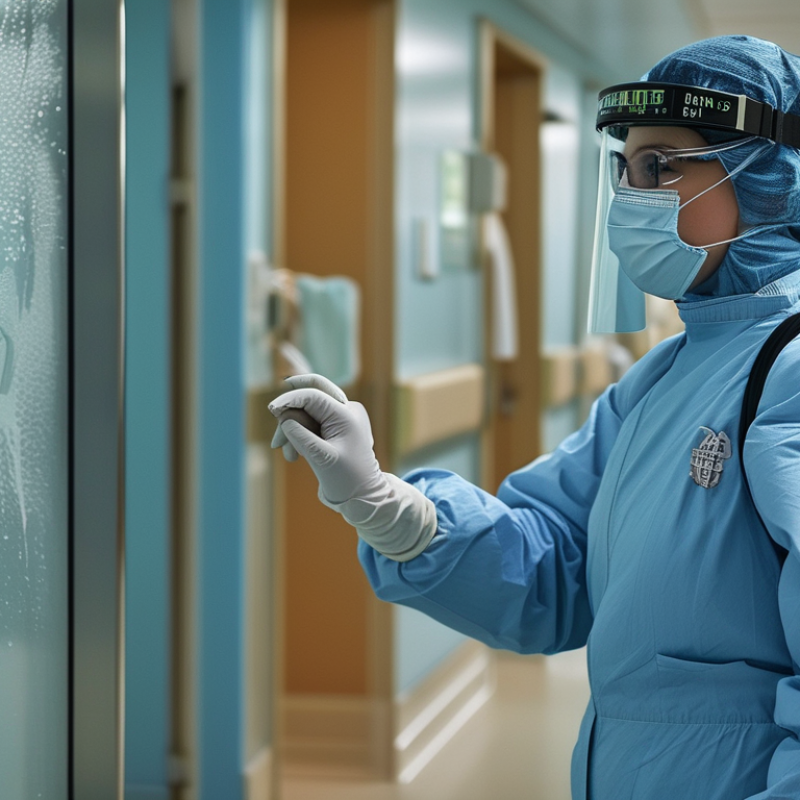
Personal Protective Equipment (PPE) plays a critical role in preventing cross contamination in hospitals. Proper usage of PPE, such as gloves, masks, and gowns, is essential for healthcare workers. Each piece of equipment serves a unique purpose in safeguarding both medical staff and patients. For instance, gloves protect hands from contact with pathogens. Masks help filter out airborne viruses. However, incorrect usage can lead to serious risks.

Using PPE effectively requires strict adherence to protocols. Healthcare workers often overlook the importance of training. This can lead to improper donning or doffing of equipment. A mask worn incorrectly can fail to contain droplets. Additionally, reusing single-use gloves can facilitate the spread of germs. Reflection on these practices is crucial for improving safety.

Regular evaluations of PPE protocols can enhance infection control measures. Keeping up with the latest guidelines ensures all staff members are equipped with knowledge. Hospitals must encourage open discussions about PPE shortcomings. Sharing experiences can lead to valuable insights. This creates a culture of responsibility and vigilance among healthcare professionals.

How to Prevent Cross Contamination in Hospitals Effectively? - Effective Use of Personal Protective Equipment (PPE)

Dimension Details
Proper Hand Hygiene Regular hand washing and use of hand sanitizer before and after patient contact.
Use of Gloves Wearing single-use gloves when handling patients or contaminated materials.
Masks Usage Wearing surgical masks or N95 respirators in high-risk areas to prevent droplet transmission.
Protective Gowns Using gowns to shield skin and clothing from potential contamination.
Face Shields Utilizing face shields for eye protection in addition to masks during procedures.
Safe Disposal Proper disposal of PPE in designated biohazard waste containers.
Training and Compliance Regular training for hospital staff on the correct use and disposal of PPE.

Proper Cleaning and Disinfection Protocols for Surfaces

Effective cleaning and disinfection protocols are crucial in preventing cross-contamination in hospitals. High-touch surfaces like doorknobs, handrails, and light switches can harbor harmful pathogens. Regularly scheduled cleaning should be implemented to ensure these areas remain sanitized.

Start with a clear plan. Utilize disposable cleaning supplies to minimize the risk of spreading germs. It’s important to use effective disinfectants that meet health guidelines. Pay extra attention to areas that may be overlooked, like under furniture or behind equipment. These spots often accumulate dirt and microorganisms, posing a risk to patient safety.

Training staff is essential. Many cleaning personnel may lack proper techniques or knowledge about effective disinfectants. Regular workshops can address gaps in their training. Encourage staff to ask questions and share experiences to foster a culture of continuous improvement. Remember, mistakes can happen, and it’s vital to reflect on these incidents to enhance future practices.

Guidelines for Safe Food Handling in Healthcare Facilities

Safe food handling is crucial in healthcare facilities. Contamination can easily occur if proper measures are not followed. Staff must be trained in basic food safety principles. This includes washing hands frequently and avoiding cross-contact between raw and cooked foods. Using separate cutting boards for meats and vegetables can help mitigate risks.

In addition, storing food at correct temperatures is vital. Cold foods should be kept below 41°F, while hot foods must stay above 135°F. Regular temperature checks can prevent spoilage. Staff should be aware that food can harbor harmful bacteria, potentially putting patients at risk. It’s essential to understand the importance of cleaning surfaces and utensils properly after each use.

Mistakes are inevitable, even in the best environments. Some staff might forget to change gloves after handling raw food. Reflection on past errors can lead to improved practices. Managing food safety requires constant vigilance and teamwork. It is not just about following rules; it’s about fostering a culture of safety. Every meal served in a healthcare setting influences patient health.

Training Staff on Cross Contamination Awareness and Prevention

Training staff on cross contamination awareness and prevention is vital in hospitals. Staff must understand how quickly germs can spread. Regular training sessions can enhance their knowledge and skills. These sessions should focus on proper hand hygiene, use of personal protective equipment (PPE), and safe handling of patient materials. Short, interactive workshops can engage staff effectively.


Incorporating real-life scenarios into training can be helpful. Role-playing exercises allow staff to practice their responses in a safe environment. They can illustrate the consequences of neglecting cleanliness. It's essential to encourage staff to share experiences. This dialogue can reveal blind spots in current practices. It is also an opportunity for continuous improvement.


Feedback is key. Hospitals should regularly assess the training's effectiveness. Surveys and informal discussions can provide insights. Over time, training programs may need adjustments to remain relevant. Recognizing that no system is perfect is crucial. Reflecting on past incidents can drive progress in preventing cross contamination.

FAQS

: Why is hand hygiene important in hospitals?

: Hand hygiene reduces the risk of cross-contamination and infections, making it crucial for patient safety.

How should healthcare professionals wash their hands?

Hands should be washed with soap and water for at least 20 seconds.

What if soap and water are not available?

Alcohol-based hand sanitizers can be used effectively in such cases.

How often should healthcare staff wash their hands?

Staff should wash their hands regularly, especially after each patient interaction.

What is the role of PPE in hospitals?

PPE protects healthcare workers and patients from pathogens and airborne viruses.

How can improper PPE usage affect safety?

Incorrect usage can lead to increased risks, like spreading germs or failing to contain droplets effectively.

What can hospitals do to improve PPE practices?

Regular evaluations and discussions on PPE protocols can enhance infection control measures.

Why is training for staff on cross-contamination important?

Staff must understand how quickly germs spread to improve patient safety and hygiene practices.

What methods can enhance staff training on hygiene?

Real-life scenarios and role-playing can make training more engaging and effective.

How can hospitals ensure training remains relevant?

Regular assessments and feedback from staff can guide necessary adjustments to training programs.

Conclusion

Preventing cross contamination in hospitals is crucial to ensuring patient safety and maintaining high standards of healthcare. Effective strategies to achieve this include best practices for hand hygiene, where thorough and regular handwashing is emphasized to reduce the risk of pathogens spreading. Additionally, the appropriate use of personal protective equipment (PPE) is vital in minimizing exposure to harmful microorganisms.

Another key aspect involves implementing proper cleaning and disinfection protocols for surfaces, ensuring that all areas are regularly sanitized. Safe food handling guidelines within healthcare facilities can further help prevent contamination, particularly in vulnerable populations. Lastly, training staff on cross contamination awareness and prevention is essential in fostering a culture of safety and vigilance. Overall, understanding how to prevent cross contamination in hospitals is imperative for protecting both patients and healthcare workers alike.

Sophia

Sophia

Sophia is a dedicated marketing professional with an exceptional depth of knowledge about her company's products and services. With a keen understanding of market trends and customer needs, she crafts insightful blog posts that not only inform but also engage readers, enriching the company’s online......