Hospital infections remain a significant challenge for healthcare systems globally. The quest for effective strategies to combat these infections is ongoing. This article explores which solutions help reduce hospital infections. Research shows that infection prevention measures are crucial for patient safety. Hospitals must implement robust protocols to minimize risks.
Infection rates can be alarming, even in well-maintained facilities. Standard practices may not be enough to ensure safety. Innovative solutions and technologies are emerging as game-changers. These include enhanced sterilization techniques and more efficient hand hygiene practices.
However, some hospitals struggle to adopt these effective methods. Financial constraints and resistance to change can hinder progress. It's essential to evaluate existing strategies critically. Identifying gaps in current practices can lead to better outcomes. As we delve into various solutions, we will discover effective avenues for reducing hospital infections.
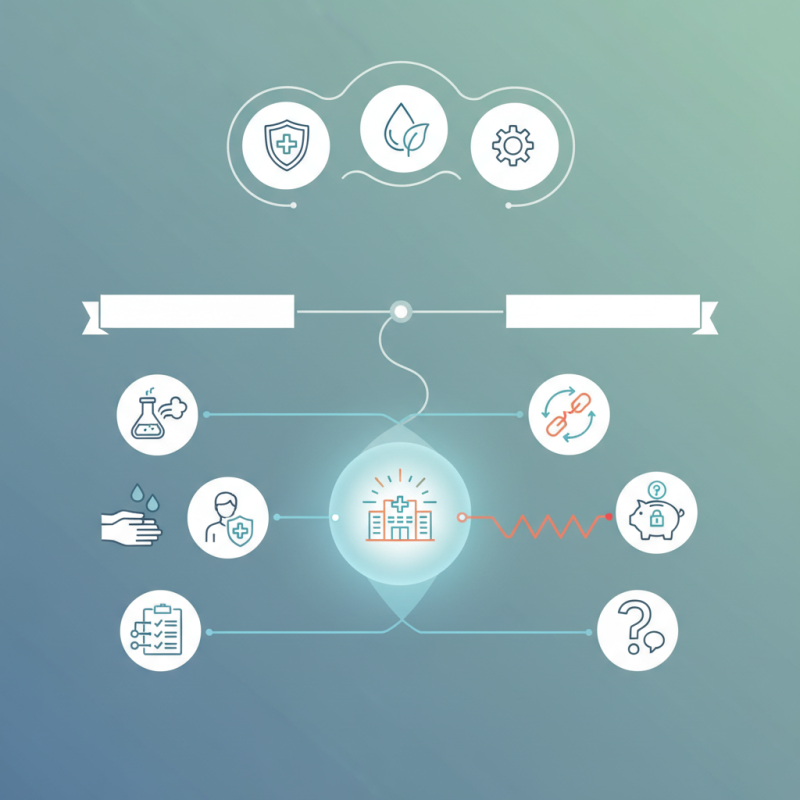
Hospital infections remain a significant threat to patient safety. Evidence-based practices are crucial in controlling these infections. Hand hygiene is paramount. Healthcare workers must wash hands thoroughly before and after patient contact. This simple act significantly reduces the transmission of harmful pathogens. Yet, compliance often falls short. Regular audits and feedback can help improve adherence.
Using sterile techniques during procedures is another critical measure. This includes proper sterilization of instruments and use of personal protective equipment. Staff training on techniques is essential. Even with training, lapses can occur. Monitoring infection rates and post-procedure outcomes provides valuable insights into areas needing improvement.
Additionally, implementing antibiotic stewardship programs is vital. These programs guide appropriate use of antibiotics. They help prevent the development of resistant strains. Surveillance data should be regularly reviewed. This data reveals trends in infection rates. However, there might be a disconnect between policy and practice. Regular reassessment of strategies is essential for continued effectiveness.
Hand hygiene is crucial in preventing hospital infections. It serves as the first line of defense. Studies show that effective handwashing can reduce transmission rates significantly. Yet, compliance among healthcare workers often falls short. Many forget or neglect this simple yet essential practice.
In busy hospital environments, stress and time constraints contribute to this oversight. Some staff feel overwhelmed, leading to missed opportunities for hand hygiene. Implementing routine reminders could help. Visual cues, like posters near sinks, can promote better practices. Training programs are also key. They should emphasize the importance of hand hygiene in protecting patients and staff alike.
Despite efforts, challenges persist. Some patients may be unaware of the need to remind caregivers. Encouraging them to speak up can create a culture of safety. Additionally, healthcare facilities must foster an environment where hand hygiene is prioritized. This requires commitment from leadership. Only then can hospitals hope to minimize infection risks effectively.
Antimicrobial Stewardship Programs (ASPs) play a crucial role in combating hospital infections. These programs focus on optimizing the use of antibiotics. By ensuring appropriate prescribing practices, healthcare providers can reduce the emergence of resistant bacterial strains. Studies show that ASPs can lead to a 20% decrease in antibiotic prescriptions, a vital step in limiting hospital infections.
Implementing ASPs involves education and monitoring. Staff must understand the importance of judicious antibiotic use. Regular feedback on prescribing patterns can identify areas needing improvement. However, challenges remain. Some physicians may resist changing established routines. There's often a lack of awareness about the long-term consequences of overprescription.
Effective communication among healthcare teams is essential. It fosters collaboration in infection management. Regular training sessions can enhance knowledge and skills. While ASPs show promise, continuous evaluation is vital. Are these programs reaching their full potential? Identifying gaps allows for better strategies, ultimately leading to fewer hospital infections. Balancing antibiotic efficacy with patient safety remains a complex task, demanding ongoing commitment from all healthcare professionals.
Environmental cleaning and disinfection play a crucial role in reducing hospital infections. Effective cleaning practices in healthcare settings create a safer environment for patients. High-touch surfaces need special attention. Regular disinfection of these areas can break the chain of transmission for harmful pathogens.
Tips for effective cleaning include using the right disinfectants. Ensure that the products used are effective against a broad spectrum of microbes. It is essential to train staff adequately. Understanding correct cleaning techniques can improve outcomes significantly. Staff should also focus on areas that are often overlooked. Attention to these details can make a significant difference.
Despite these efforts, challenges remain. Cleaning protocols might not be consistently followed. Additionally, older facilities may have structural issues that hinder effective cleaning. Regular audits can help identify gaps and reinforce best practices. Addressing these imperfections consistently can lead to better infection control.
| Solution | Effectiveness (%) | Application Method | Frequency of Use | Target Areas |
|---|---|---|---|---|
| Manual Cleaning | 70% | Mop and Disinfectant | Daily | Patient Rooms |
| Ultraviolet (UV) Light | 90% | Automated UV Systems | Weekly | Surgical Suites |
| Electrostatic Spraying | 85% | Sprayer with Disinfectant | Daily or After Discharges | High-Touch Surfaces |
| Hydrogen Peroxide Vapor | 99% | Fogging Method | Monthly | Entire Room |
| Chlorine-Based Cleaning Solutions | 75% | Wipe and Disinfect | Daily | Bathrooms |
Healthcare worker education plays a vital role in reducing hospital infections. When staff members receive comprehensive training, they become more aware of infection control practices. This awareness translates directly into action. Staff members develop better habits around hand hygiene and equipment sterilization. Educational programs help bridge gaps in knowledge and promote better patient care.
Tips for effective training include using real scenarios that workers might face. Incorporating role-playing can enhance learning. Regularly scheduled refreshers are crucial. Repetition solidifies concepts and can lead to lasting behavior change. Having visible reminders, such as posters about handwashing, can also reinforce best practices within the hospital environment.
Despite these strategies, challenges remain. Training sessions may not reach every worker equally. Some may overlook the importance of ongoing education. It’s essential to foster a culture of accountability where all staff members are encouraged to engage actively. Continuous feedback loops can help identify barriers to effective training and encourage improvement in infection control practices.
: Hand hygiene greatly reduces the spread of harmful pathogens.
Regular audits and feedback can encourage better adherence to handwashing practices.
Sterile techniques, including proper sterilization, help prevent infections during procedures.
Training helps ensure staff apply techniques correctly, yet lapses may still occur.
These programs guide the proper use of antibiotics to prevent resistant strains from developing.
Effective cleaning of high-touch surfaces helps break the chain of pathogen transmission.
Inconsistent cleaning practices and structural issues in older facilities can hinder effectiveness.
Regular audits can pinpoint areas needing attention and help reinforce best practices.
Tracking infection rates provides insights into necessary improvements and strategy assessments.
Training on correct techniques and attention to often-overlooked areas can enhance outcomes.
Effective strategies to address the question of "which solutions help reduce hospital infections" hinge on several key evidence-based practices. First and foremost, hand hygiene plays a critical role in preventing the spread of infections in healthcare settings. Ensuring that healthcare workers maintain proper handwashing protocols can significantly lower infection rates. Additionally, the implementation of antimicrobial stewardship programs helps optimize the use of antibiotics, thereby minimizing resistance and enhancing patient outcomes.
Moreover, the cleaning and disinfection of environmental surfaces are essential in controlling infections within hospitals. Routine and thorough cleaning protocols protect patients and staff alike from potential pathogens. Lastly, ongoing education and training for healthcare workers are vital in sustaining low infection rates, fostering a culture of safety and awareness around infection control practices. Collectively, these strategies form a robust framework for effectively reducing hospital infections.

Ultrivex Medical