Top 10 Standards Medical Suppliers Must Meet for Global Trade?

Time:2026-06-10 Author:Amelia
0%

The global medical supply industry is constantly evolving. It faces unique challenges in meeting comprehensive standards. For suppliers, the question arises: which standards should medical suppliers meet? Ensuring compliance with these standards is crucial for success in international markets.

Global trade in medical supplies requires strict adherence to regulations. From product safety to quality assurance, the expectations are high. Suppliers must understand these requirements to build credibility. Not all suppliers fully grasp the complexity of these standards. This gap can lead to costly mistakes and damaged reputations.

Moreover, maintaining high standards is not just about adhering to regulations. It involves ongoing education and adaptation. Suppliers need to be aware of changes in the industry. This adaptability reflects their commitment to quality and safety. Ultimately, setting high standards can empower suppliers to thrive in a competitive landscape.
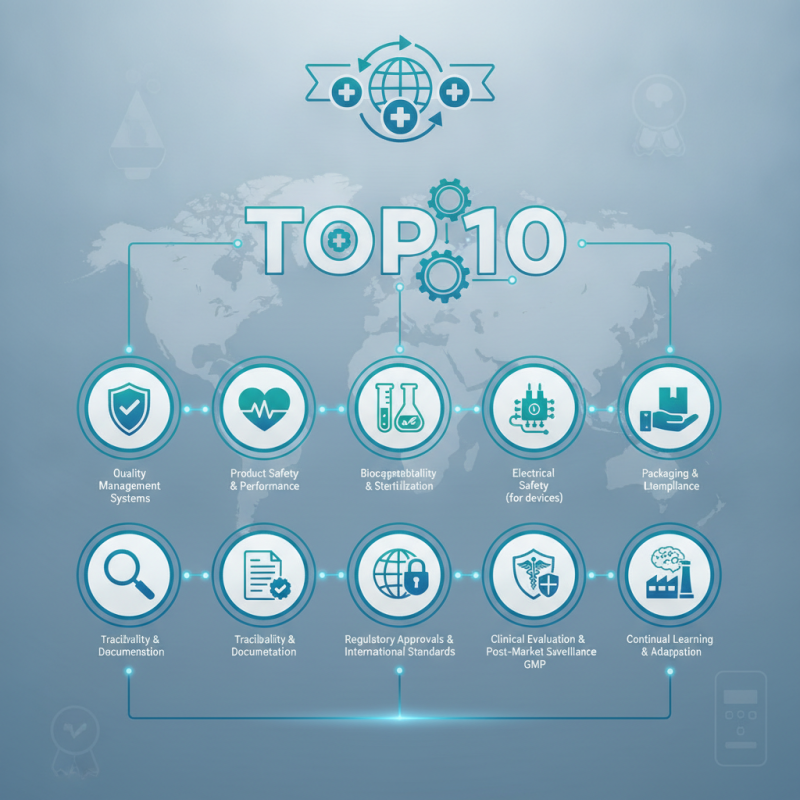
Top 10 Standards Medical Suppliers Must Meet for Global Trade?

Key Regulatory Compliance for Medical Suppliers in Global Trade

Global trade in the medical field demands strict adherence to regulatory standards. Compliance ensures the safety and efficacy of medical products. Suppliers must navigate a complex web of regulations that vary by region. Prioritizing quality is not just about adherence; it’s about trust. Buyers look for reliable partners who meet robust compliance criteria.


ISO certifications are pivotal for international suppliers. These standards guide everything from quality management to risk assessment. Suppliers often struggle with maintaining documentation. This process, while tedious, is essential for transparency.


Complications arise when suppliers lack a clear understanding of the regulations. Mistakes in compliance can lead to costly penalties and reputational damage.
Regulatory bodies often require regular audits and assessments. Many suppliers find it challenging to keep up with evolving standards. Ongoing education is crucial. Suppliers should hold training sessions to stay informed.


Failing to address compliance gaps can hinder global trade opportunities. While regulations may differ, the commitment to quality must remain unchanged.

Quality Management Systems Essential for Medical Product Manufacturers

In the medical industry, quality management systems (QMS) are vital for ensuring product safety and efficacy. These systems lay the foundation for consistent operational processes. Suppliers must establish a clear framework that complies with international standards. Implementing such a system means diligent documentation of every step in the manufacturing process. This meticulous approach helps in identifying potential risks and improving quality.

Training is another fundamental aspect of a successful QMS. Staff must be well-informed about industry regulations and best practices. Regular assessments can highlight areas that need improvement. Additionally, suppliers must learn from past mistakes. Analyzing failed audits can lead to better outcomes. Commitment to continuous improvement encourages a culture of quality that benefits all stakeholders.

Feedback from end-users is often overlooked but is essential for refining products. Engaging with healthcare professionals can provide invaluable insights. These interactions could uncover issues or opportunities for enhancement. Building relationships with clients ensures that suppliers remain responsive and adaptive to market needs. Quality management is not a one-time effort; it requires constant vigilance and dedication.

Top 10 Standards Medical Suppliers Must Meet for Global Trade

This chart illustrates the compliance levels for various standards that medical suppliers must meet to engage in global trade. The importance of maintaining high compliance levels ensures the safety and efficacy of medical products.

Certification Standards for Medical Devices in International Markets

Certification standards for medical devices play a crucial role in global trade. Each international market has specific requirements that suppliers must meet. Understanding these standards is essential for successful entry into various regions. For instance, the FDA regulations in the United States differ significantly from ISO standards in Europe. Suppliers need to ensure their products comply with these diverse regulations.

Tips: Always stay updated on the latest changes in regulations. Regularly check the official websites of relevant authorities.

Quality management systems are another key focus. Suppliers should implement processes that guarantee product safety and effectiveness. Documentation is critical for compliance. A single oversight can lead to significant delays or financial losses. It’s vital to keep records organized and easily accessible for audits.

Tips: Use digital tools for better documentation management. This can streamline the process and prevent errors.

Finally, understanding cultural nuances can aid compliance efforts. Different regions may have unique needs or preferences. Engaging local experts can illuminate these aspects. This collaboration could enhance market acceptance and foster trust. However, it is essential to approach this with careful consideration of varying expectations.

Supply Chain Transparency Requirements for Global Medical Suppliers

Supply chain transparency is crucial for global medical suppliers. Clear visibility into every step of the supply chain can enhance trust and compliance. Transparency helps suppliers to ensure product quality and traceability. It enables swift responses to potential issues. In today’s market, transparency isn’t just preferred; it is a necessity.

Tips for achieving better transparency include using advanced tracking technologies. Implementing blockchain can secure and document transactions. Regular audits can also identify gaps in the supply chain. This reflection helps suppliers understand their weaknesses. Having an open communication channel is essential. It fosters collaboration and ensures all stakeholders are informed.

Another key aspect is adherence to regulatory standards. Suppliers must stay updated on international regulations. This can be challenging, but it’s necessary to avoid penalties. Each region may have different requirements, making compliance complex. Suppliers should consider training employees on these standards. Investing in professional development can lead to long-term benefits.

Safety and Efficacy Testing Protocols for Medical Products Worldwide

Safety and efficacy are paramount in the global medical supply industry. Robust testing protocols help ensure that products meet international standards. According to the World Health Organization (WHO), up to 10% of medical products worldwide are substandard or falsified. This alarming statistic underscores the need for stringent assessment processes.

Clinical trials are a vital part of testing. Results from these trials guide regulatory approvals and market access. In the United States, the Food and Drug Administration (FDA) requires data demonstrating the safety and effectiveness of medical devices before they can be marketed. Reports show that around 5% of medical devices face rejection due to inadequate testing documentation. This gap highlights the importance of following thorough protocols to avoid costly setbacks.

In addition, the ISO 13485 standard is widely recognized in the medical sector. It focuses on quality management systems and ensures compliance with regulatory requirements. However, many suppliers still struggle with documentation and record-keeping, which can jeopardize their reputations. A study found that about 30% of manufacturers lacked proper adherence to this standard. This reveals an ongoing need for improvement in quality assurance practices across the industry.

FAQS

: What is essential for medical suppliers in global trade?

: Strict adherence to regulatory standards is essential. Compliance ensures the safety and efficacy of medical products.

What challenges do suppliers face with documentation?

Many suppliers struggle with maintaining accurate documentation. This process is tedious, but it is crucial for transparency.

Why are ISO certifications important?

ISO certifications guide quality management and risk assessment. They help build trust with buyers in the medical field.

How can suppliers improve compliance with regulations?

Regular training sessions and education can help suppliers stay informed. Understanding regulations is key to avoiding mistakes.

What role does feedback from end-users play?

Feedback is essential for refining products. Engaging with healthcare professionals provides insights to improve quality.

Why is supply chain transparency necessary?

Transparency enhances trust and compliance. It helps suppliers ensure product quality and allows for swift issue response.

How can suppliers achieve better supply chain transparency?

Utilizing advanced tracking technologies, like blockchain, can improve transparency. Regular audits can also identify supply chain gaps.

What is a significant risk for suppliers not addressing compliance gaps?

Failing to address compliance gaps can hinder global trade opportunities. It may also lead to costly penalties or reputational damage.

How does a commitment to quality benefit stakeholders?

A commitment to quality fosters a culture of continuous improvement. This benefits suppliers, clients, and end-users alike.

What should suppliers do if they analyze a failed audit?

Analyzing failed audits can lead to better outcomes. It’s important to learn from past mistakes to improve processes.

Conclusion

In the realm of global trade, medical suppliers face a myriad of regulations ensuring the safety and efficacy of their products. Key regulatory compliance is crucial, as it underpins the trustworthiness of suppliers in international markets. This necessitates a robust quality management system that aligns with internationally recognized standards, ensuring that products are manufactured consistently and meet safety requirements. Additionally, certification standards for medical devices play a pivotal role, as they confirm compliance with relevant regulations across various countries.

Furthermore, supply chain transparency is increasingly demanded, allowing stakeholders to verify product origins and manufacturing processes. Safety and efficacy testing protocols are also essential, providing evidence that medical products perform as intended under diverse conditions. Therefore, understanding which standards should medical suppliers meet is vital for successful participation in global trade, safeguarding public health while facilitating access to innovative medical solutions.

Amelia

Amelia

Amelia is a seasoned marketing professional with a wealth of expertise in our company’s core offerings. With an unwavering passion for driving growth and innovation, she plays a pivotal role in shaping our marketing strategies and enhancing brand visibility. A key aspect of her responsibilities......