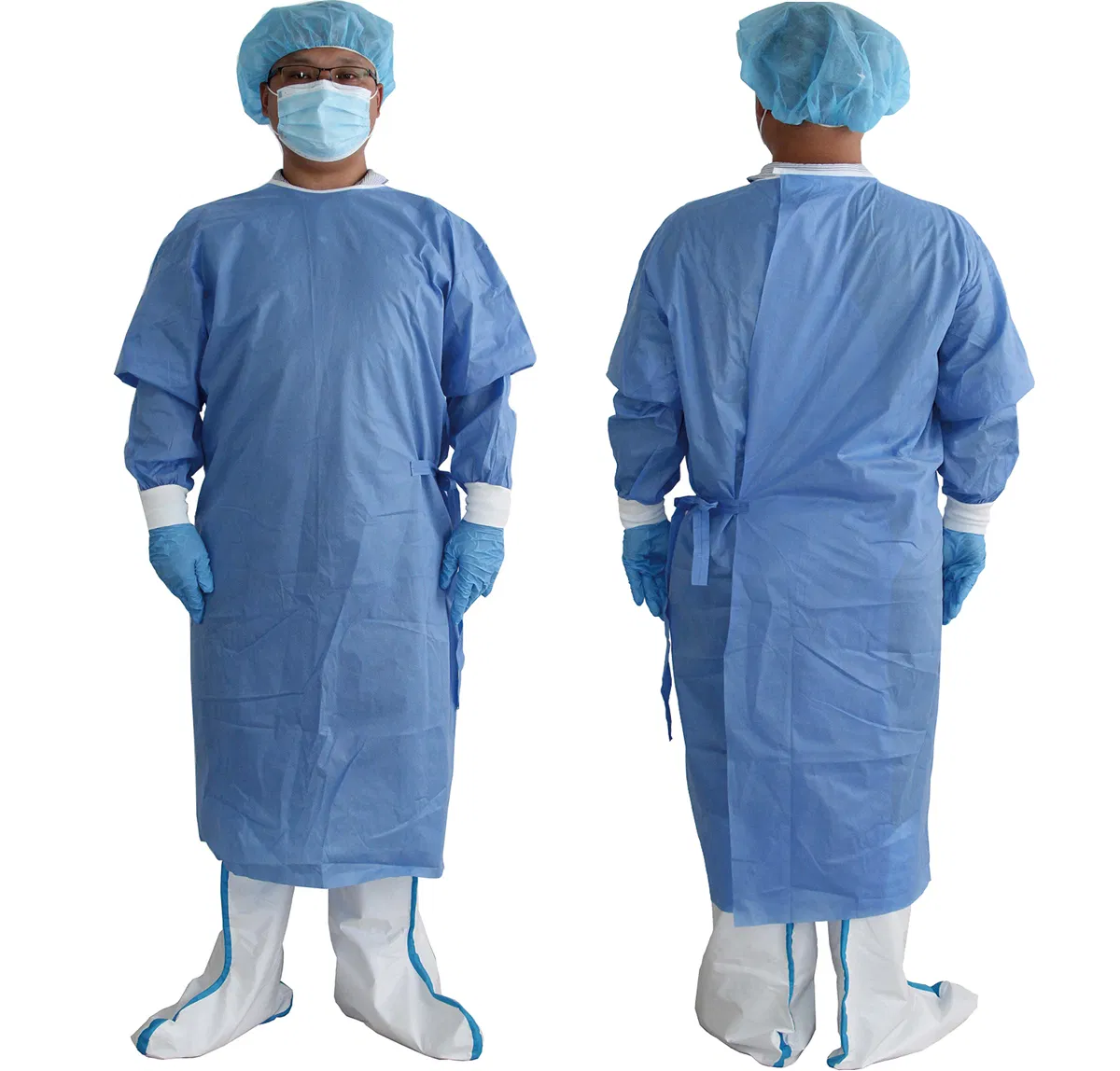
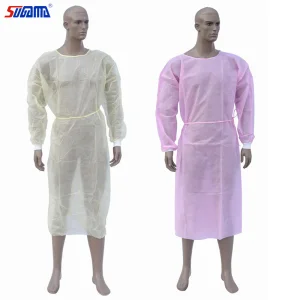
Disposable Gown Waterproof PP PE 35-55GSM SMMS /SMS Patient Gowns Surgical Isolation Gown

Still deciding? Get samples of $ !
Request Sample

Product Description

Basic Specifications
Model NO.
Disposable Gown Waterproof
Sterilization
Ethylene Oxide Sterilization
Guarantee Period
Two Years
Group
Adult
Logo Printing
Without Logo Printing
Size
S M L XL XXL
Product Name
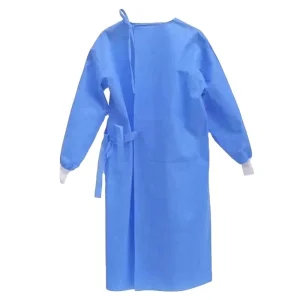
Surgical Gown
Transport Package
1PC/Pack
HS Code
6210103010
Production Capacity
10,000,000 PCS/Year
Surgical Gown Overview

Disposable surgical gowns are essential personal protective equipment (PPE) used in medical settings to maintain sterility and prevent contamination during surgical procedures. These gowns act as a barrier against pathogens, bodily fluids, and other hazardous substances, ensuring the safety of both healthcare professionals and patients.

With the increasing demand for infection control, disposable surgical gowns have become a critical component in hospitals, clinics, and emergency care units. This guide provides an in-depth analysis of disposable surgical gowns, covering their types, materials, manufacturing processes, standards, and benefits.
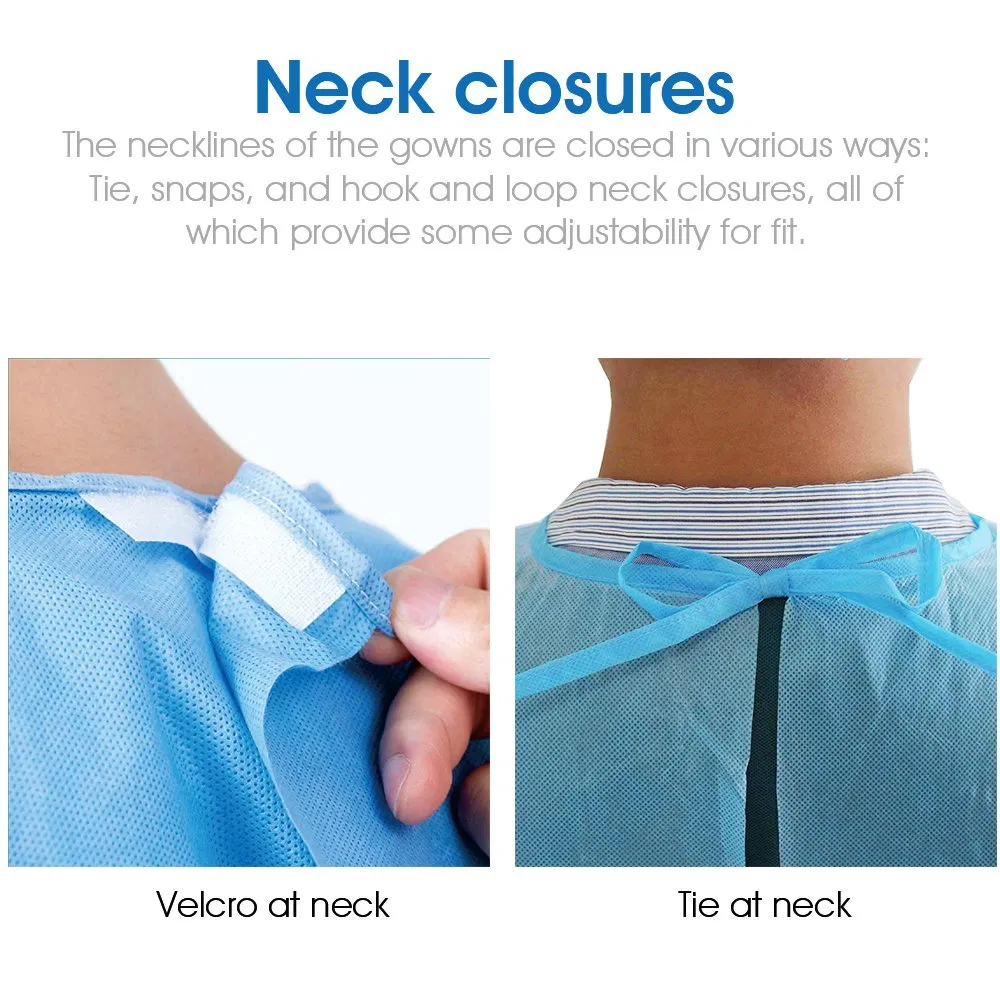
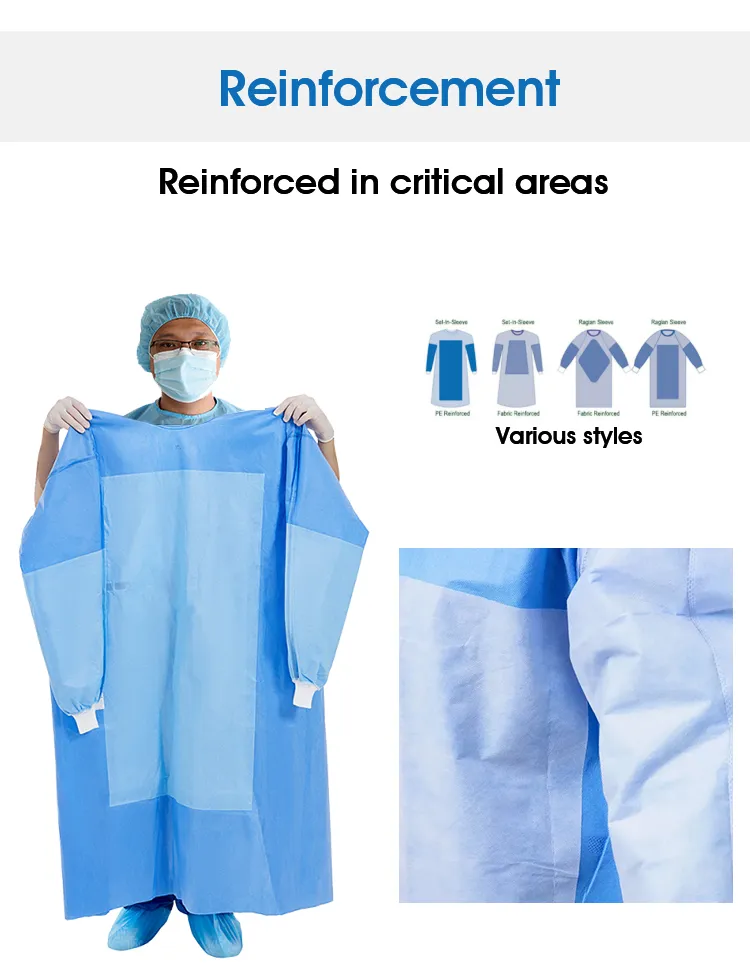
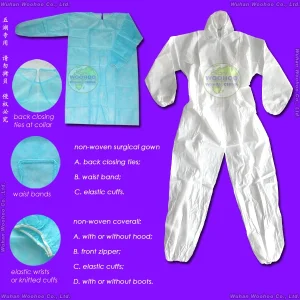
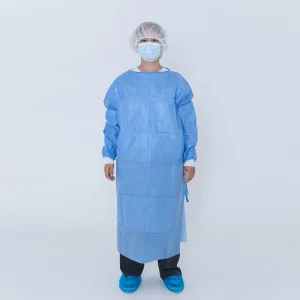
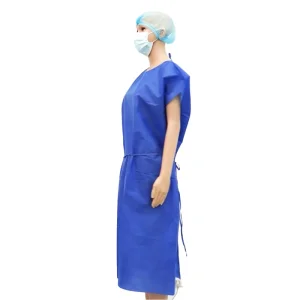
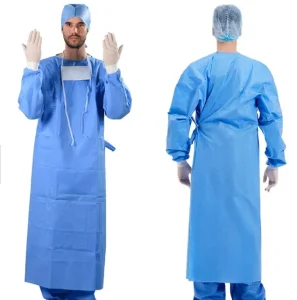
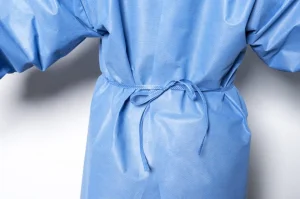
Surgical Gown Detail 1
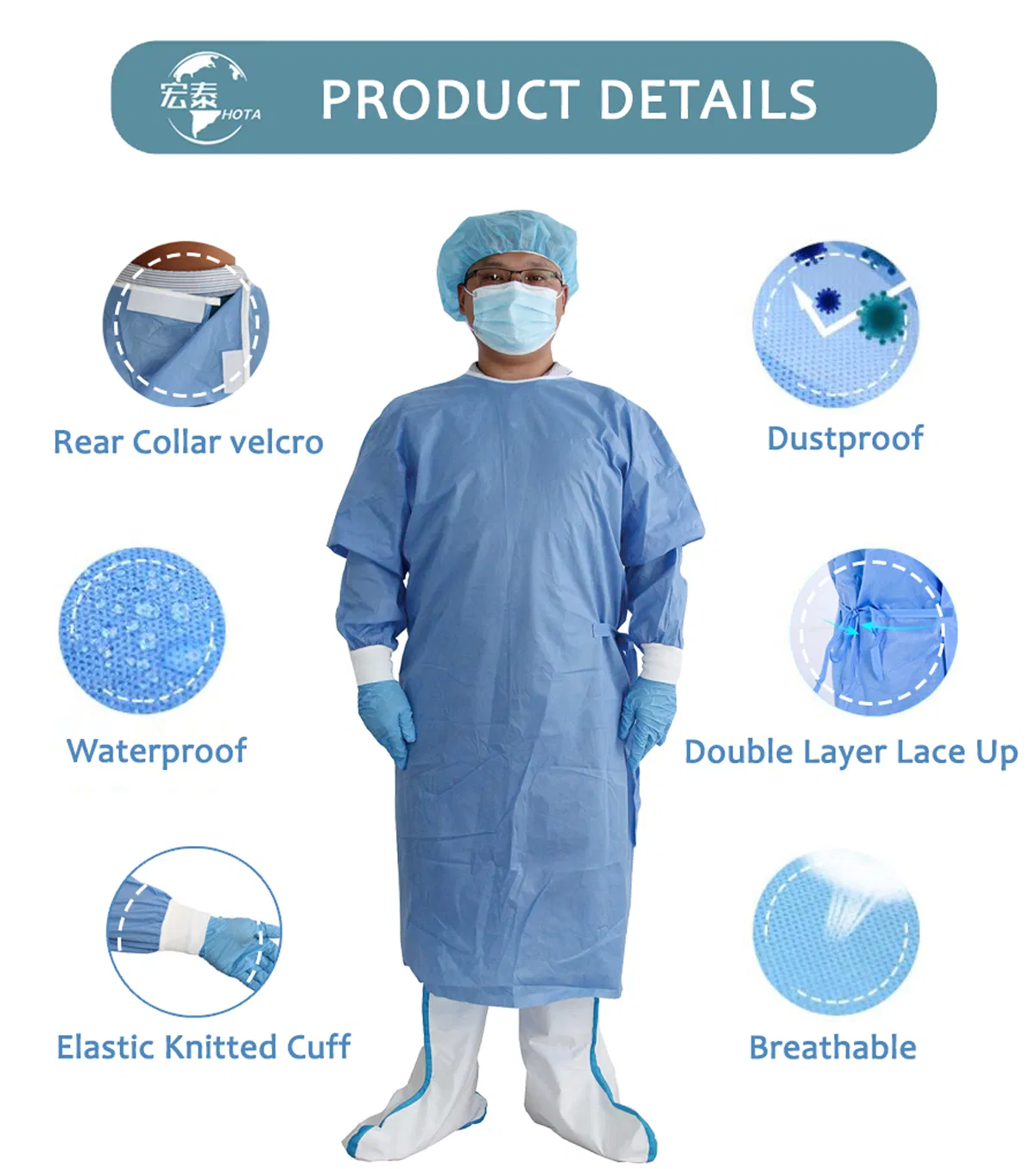
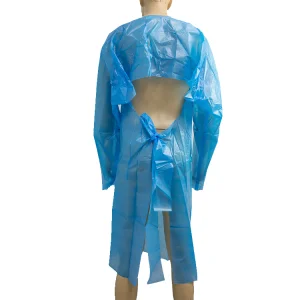
Surgical Gown Detail 2
Definition and Purpose
🛡️
Infection Control: Prevents the transfer of microorganisms between healthcare workers and patients.
💧
Fluid Resistance: Protects against blood, saliva, and other bodily fluids.
Sterility Maintenance: Ensures a sterile environment in the operating room.
🏃
Comfort and Mobility: Allows ease of movement while maintaining protection.
Protection Standards
Key Features & Materials
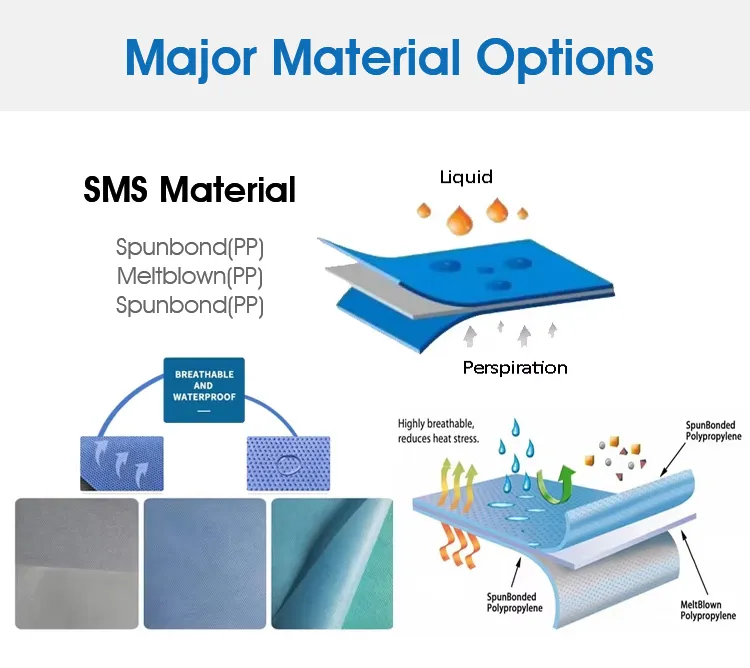
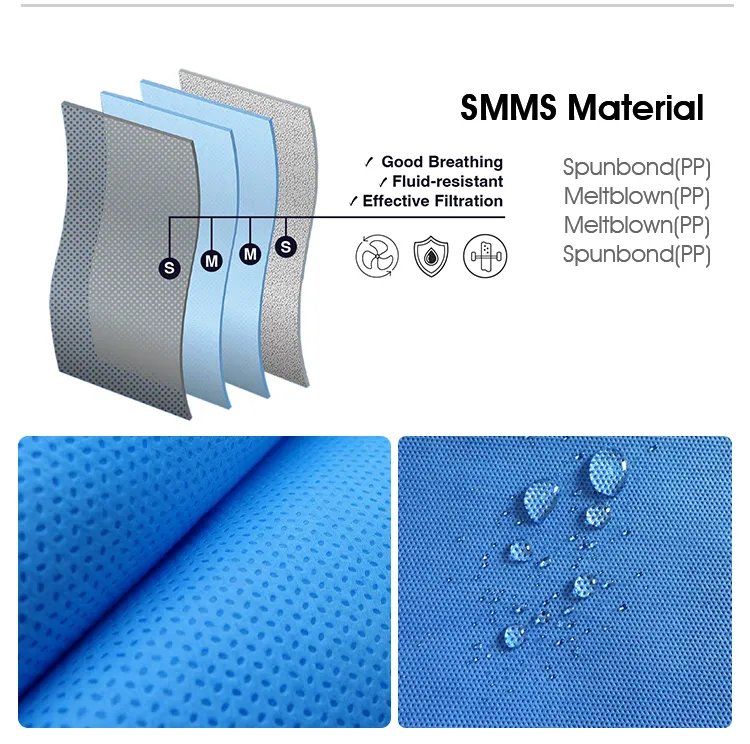
Material Texture
Product Size Chart
✔️
Non-Woven Polypropylene (NWPP): Most common due to its affordability and effectiveness.
✔️
Polyethylene (PE): Used for waterproof gowns.
✔️
SMS Fabric: Combines strength, breathability, and fluid resistance.
✔️
Latex-Free: Prevents allergic reactions in sensitive environments.
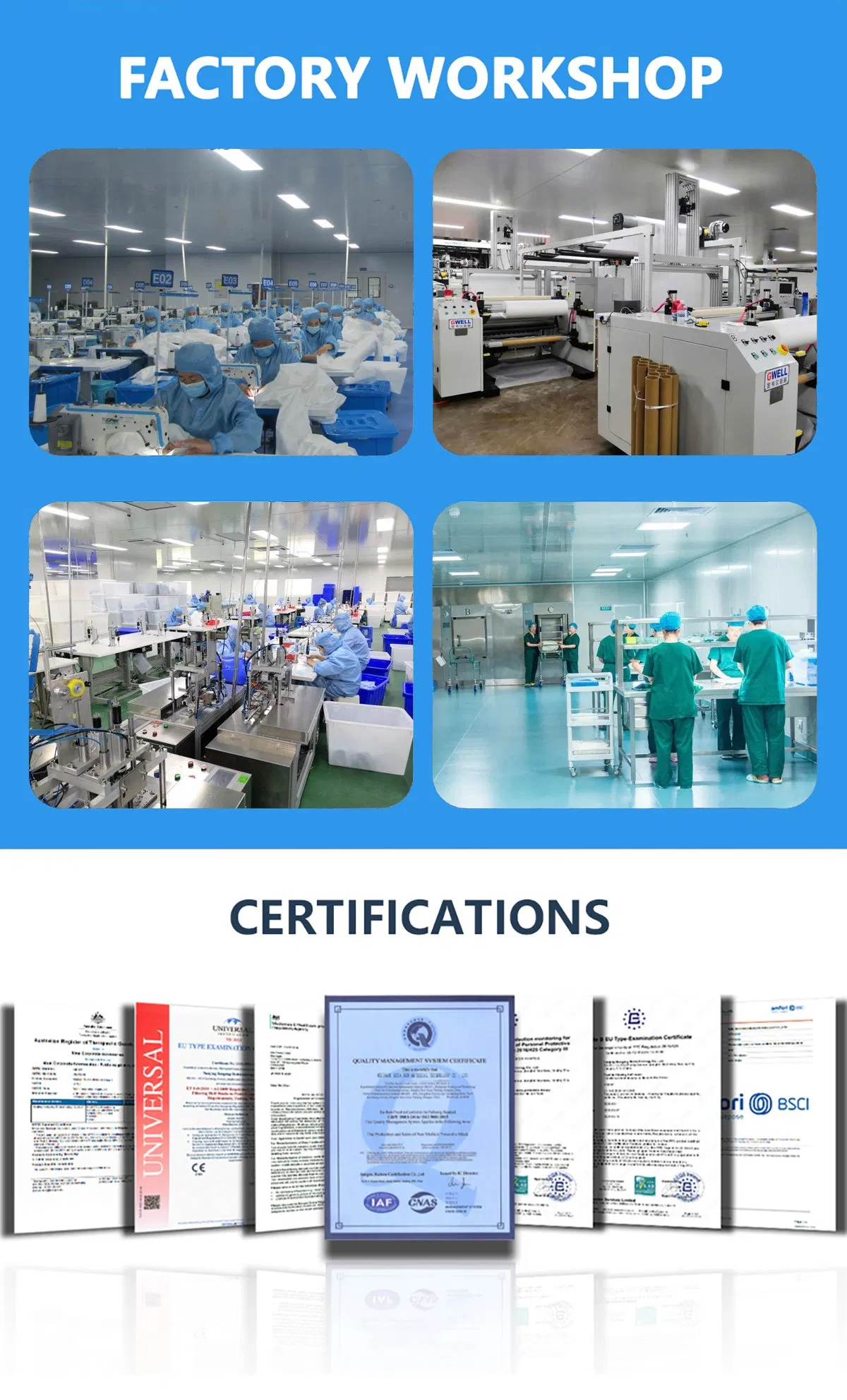
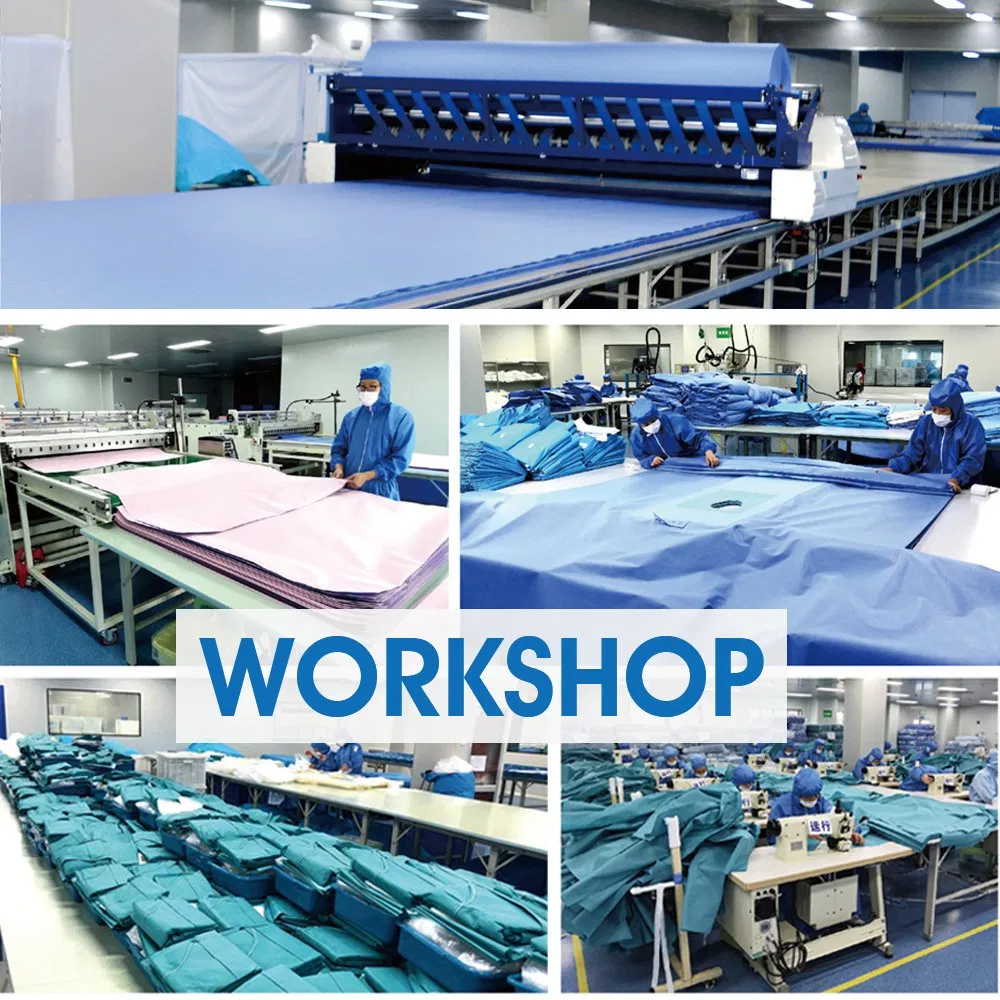
Manufacturing Process
1
Material Preparation
Non-woven fabric rolls are prepared.
2
Cutting & Sewing
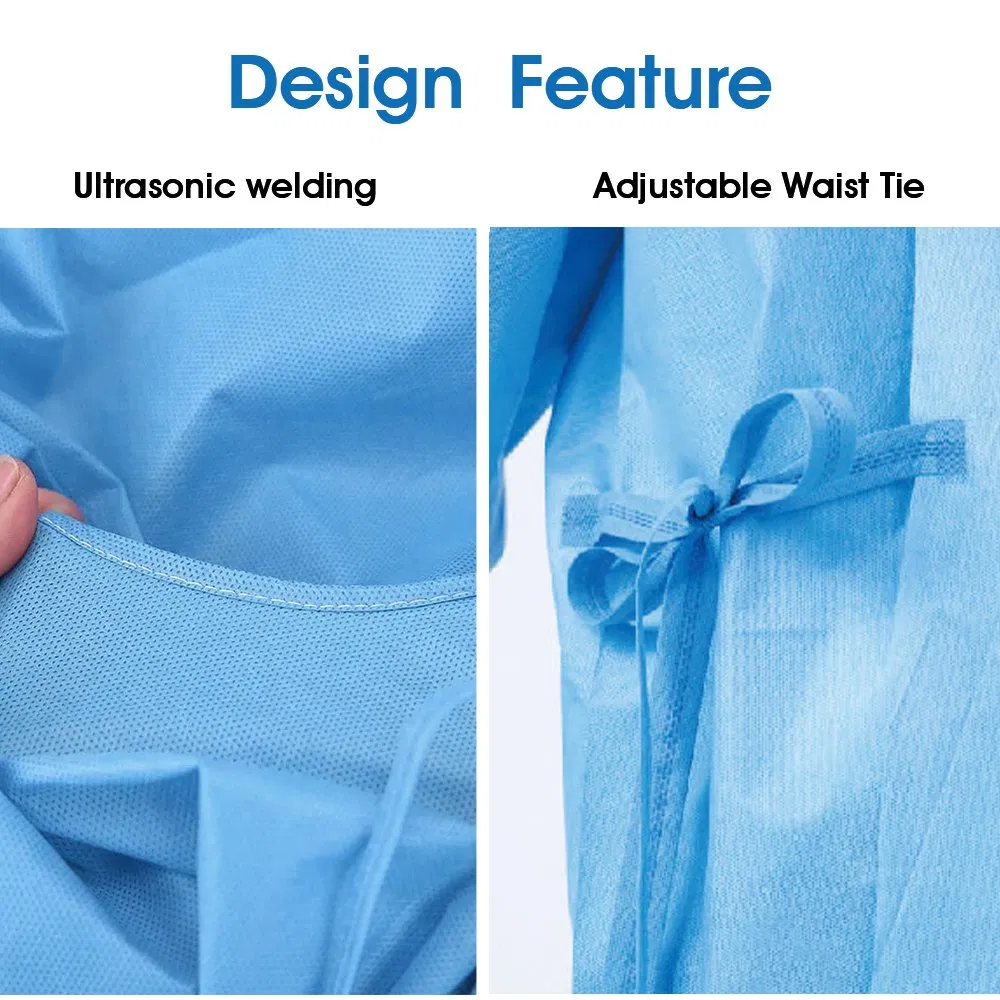
Fabric is cut into patterns and stitched.
3
Sterilization
Using gamma irradiation or ethylene oxide.
4
Packaging
Sealed in sterile pouches for use.
Standards and Benefits

High-quality surgical gowns adhere to international standards such as AAMI PB70 (liquid barrier performance), EN 13795 (European requirements), and ISO 16603/16604 (resistance to viral penetration).

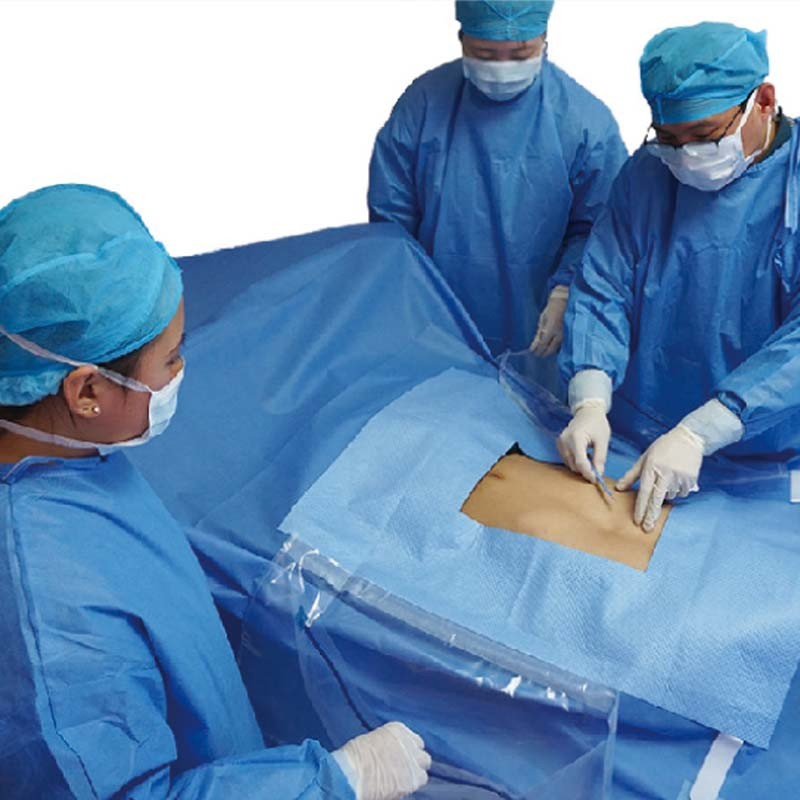
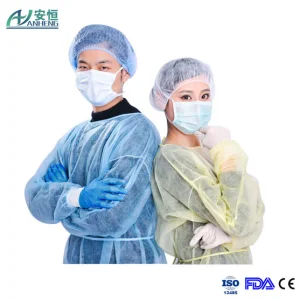
Usage Scenario
Packaging
Frequently Asked Questions
What is the primary function of a disposable surgical gown?
The primary purpose is infection control, acting as a sterile barrier between healthcare providers and patients to prevent the transfer of pathogens and bodily fluids.
Which materials offer the best protection?
SMS fabric is highly recommended as it combines the strength of spunbond layers with the barrier properties of meltblown layers, providing both breathability and fluid resistance.
Are these gowns safe for individuals with latex allergies?
Yes, high-quality disposable surgical gowns are typically made from synthetic polymers and are 100% latex-free to prevent allergic reactions.
How are these gowns sterilized?
They undergo rigorous sterilization processes, most commonly using Ethylene Oxide (EO) or Gamma Irradiation, to ensure they are safe for clinical use.
Why choose disposable gowns over reusable ones?
Disposable gowns offer reduced cross-contamination risk, are more cost-effective as they require no laundering, and provide consistent barrier performance every time.
What does the AAMI PB70 standard mean?
It is a classification system that identifies the liquid barrier performance of protective apparel, ranging from Level 1 (minimal risk) to Level 4 (high risk).

Related Products